PRODUCT OPTIONS
Available constructions and formats.
- Polishing liquids, compounds, pastes and powders
- Diamond abrasive and other product options by request
- Supply for wafer, optical and technical ceramic applications

NWS-POL · Process chemistry
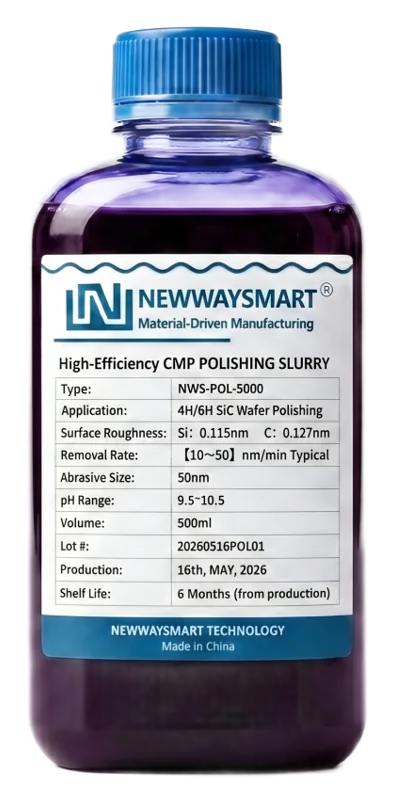
NEWWAYSMART · APPLICATION-SELECTED GRADES
Compare representative material and formulation options by workpiece and process stage. All products are made to order, with sample and first-article support. Numerical values below are typical selection references; the final specification is agreed for your process.
| Model / product | Workpiece & stage | Typical selection parameters |
|---|---|---|
| NWS-POL-3101Fine Ceria Slurry for Blue GlassView grade → | Blue-glass filters and soft optical glassFine polishing |
|
| NWS-POL-3102Concentrated Ceria Optical SlurryView grade → | Optical glass and compatible glass substratesPolishing |
|
| NWS-POL-3201Acidic Ceria Slurry for Glass WafersView grade → | Glass wafers and precision opticsFine polishing |
|
| NWS-POL-3202Fine Ceria Slurry for Glass FinishingView grade → | Glass wafers and optical glassFine polishing |
|
| NWS-POL-3203Zirconia Slurry for Soft Optical GlassView grade → | Soft optical glass, filters and camera lensesPolishing |
|
| NWS-POL-3204Acidic Silica Slurry for AlN CeramicsView grade → | Aluminum nitride ceramic substratesFine polishing |
|
| NWS-POL-3301Sapphire Final-Polishing Silica SlurryView grade → | Sapphire substrates and optical windowsPrecision polishing |
|
| NWS-POL-3302Single-Sided Sapphire Alumina SlurryView grade → | Sapphire substratesSingle-sided polishing |
|
| NWS-POL-3303Double-Sided Sapphire Alumina SlurryView grade → | Sapphire substratesDouble-sided polishing |
|
| NWS-POL-5301Fine Diamond Slurry for SiC SubstratesView grade → | Silicon carbide substratesFine grinding |
|
| NWS-POL-3401Polycrystalline Diamond Slurry GradesView grade → | SiC, hard ceramics and optical materialsLapping / polishing |
|
| NWS-POL-3402Fine Alumina Slurry for Compound SemiconductorsView grade → | Compound-semiconductor workpiecesFine polishing |
|
| NWS-POL-3403Colloidal Silica Wafer-Polishing GradesView grade → | Semiconductor wafers and compatible precision surfacesFine polishing |
|
| NWS-POL-3501Silica Slurry for Intermediate Silicon PolishingView grade → | Silicon wafersIntermediate polishing |
|
| NWS-POL-3502Silica Slurry for Final Silicon PolishingView grade → | Silicon wafersFine polishing |
|
| NWS-POL-5501Fine Silica Slurry for SiC WafersView grade → | Silicon carbide wafersFine polishing |
|
| NWS-POL-3601Ceria Slurry for Fibre Array UnitsView grade → | FAU optical-communication componentsPolishing |
|
| NWS-POL-3602Alumina Slurry for InP Pre-PolishingView grade → | Indium phosphide workpiecesCoarse polishing |
|
| NWS-POL-3603Silica Slurry for InP Fine PolishingView grade → | Indium phosphide workpiecesFine polishing |
|
| NWS-POL-3604Silica Slurry for Lithium NiobateView grade → | Lithium niobate optical and piezoelectric componentsPolishing |
|
| NWS-POL-3605Silica Slurry for Resin OpticsView grade → | Resin lenses and optical resin partsFine polishing |
|
| NWS-POL-3701Silica Grades for POLY CMPView grade → | Polysilicon filmsCMP |
|
| NWS-POL-3702Ceria Grades for STI CMPView grade → | Oxide / nitride isolation structuresCMP |
|
Need a different size, hardness, particle distribution or chemistry? Send your current process and target. For slurries, particle size is only labelled D50 where that statistic is specified. Shore A and Shore D hardness values are different scales.
PRODUCT OPTIONS
CUSTOM SUPPLY
APPLICATIONS
APPLICATION & ORDER INFORMATION
Custom dimensions and configurations are available. Send a drawing, sample photo or product requirement for an order-specific quotation.
Material, dimensions, configuration and order quantity affect the quotation. We do not publish a universal price for custom products. Request a quotation for your product →
PRODUCT TYPES
EXPLORE NEWWAYSMART
RELATED PRODUCTS
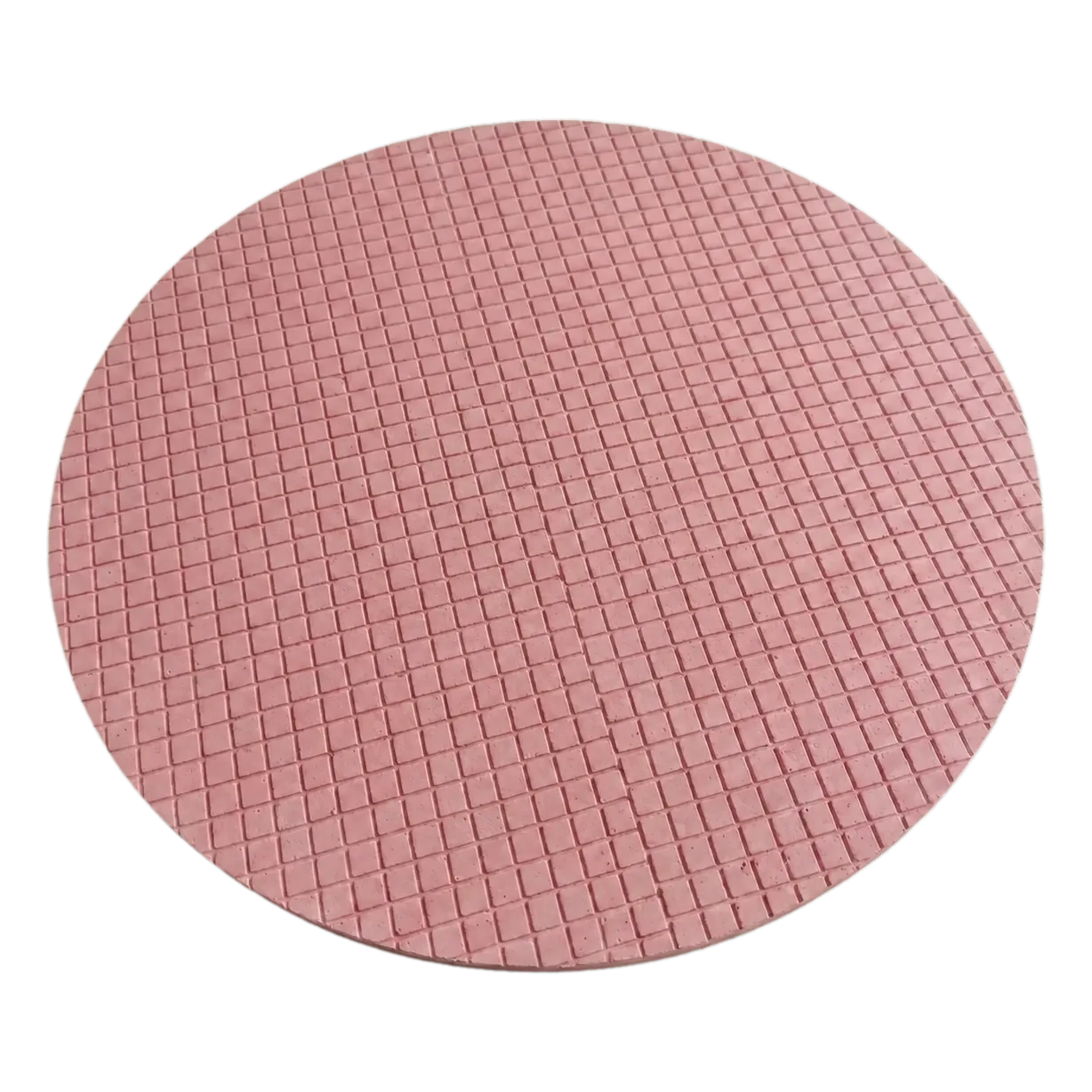 PU Polishing PadsGroove, hardness, pore and liquid-retention directions selected around contact stability and target finish.
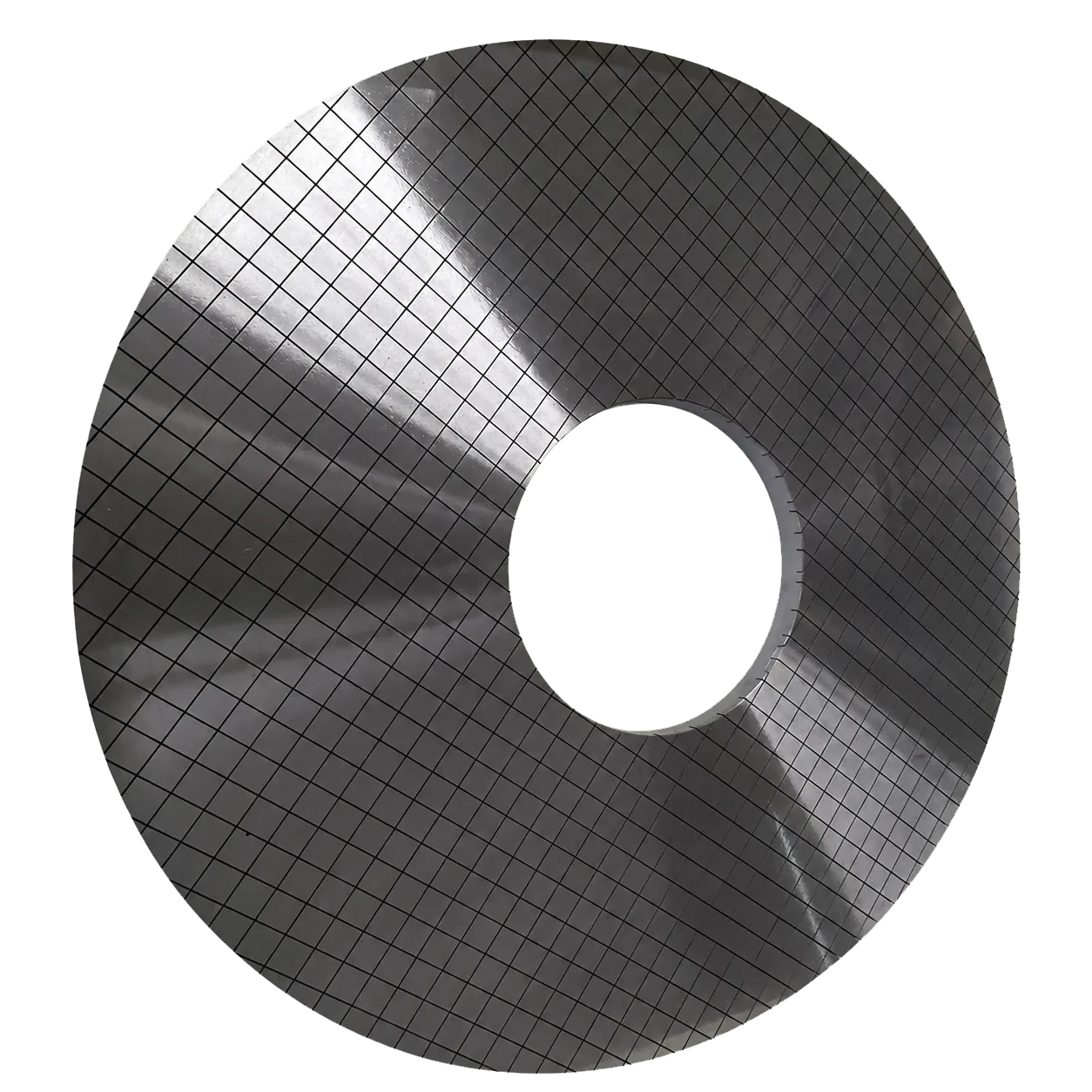 Lapping & Grinding PlatesPlate materials, groove patterns and abrasive routes matched to removal behaviour, slurry transport and target surface.
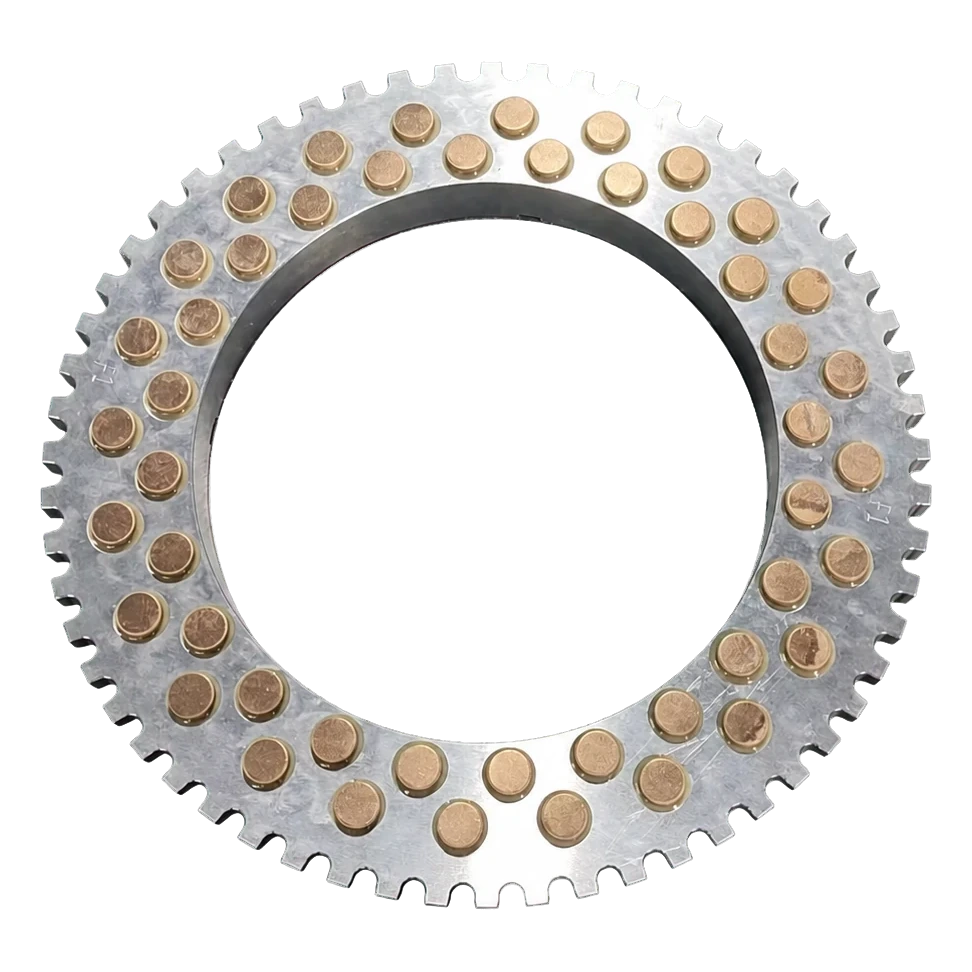 Conditioning Rings & WheelsDrawing-based tools for plate correction, surface renewal and repeatable working-face preparation.
DRAWING · SAMPLE · PRODUCT REQUIREMENT