WC-Co · Cermet · CBN/PCD

Cutting Insert Face Lapping & Polishing

Drawing-led carrier, plate and abrasive routes for batches of indexable cutting inserts, cermet inserts and drawing-controlled insert blanks.
WC-Co · Cermet · CBN/PCDMaterial-led process review

PROCESS PRIORITIES

Protect the result before selecting the consumable.

  • Uniform two-face material removal
  • Protected corners and controlled loading
  • Batch thickness, flatness and surface consistency

ENGINEERING ROUTE

A connected path from definition to validation.

  1. Decode the full model and confirm the physical outline
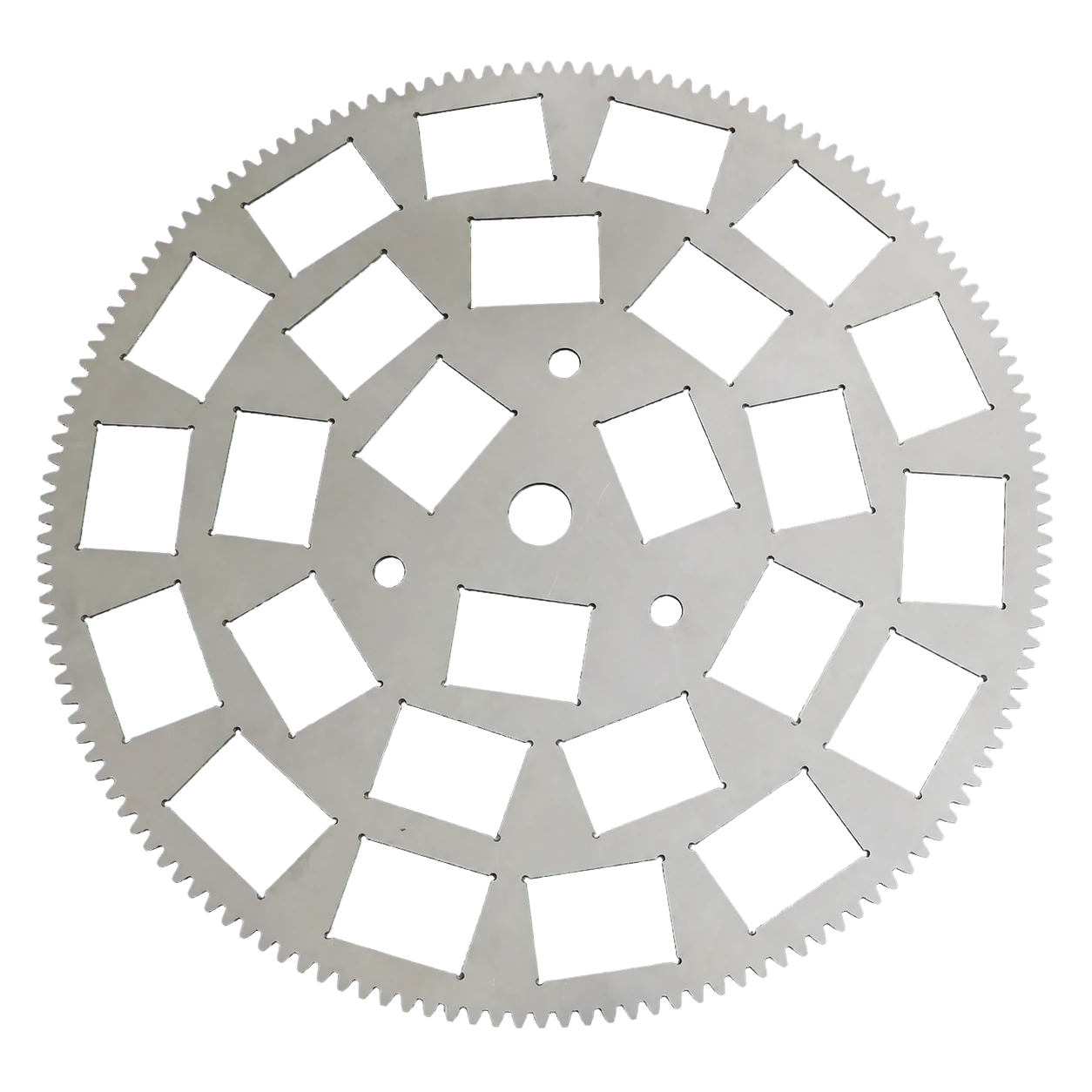
  2. Create the pocket map and machine-specific outside tooth form
  3. Match carrier material, plate and abrasive to the insert stage
  4. Approve first-article geometry before repeat production

FIRST REVIEW INPUTS

Useful information for a focused response.

  • Insert maker, full model and controlled drawing/sample
  • Shape, inscribed circle, thickness, corner and centre-hole data
  • Machine model, plate size and sun/ring gear information
  • Quantity, process stage, target stock removal and inspection method

APPLICATION MATCHING

Four evidence groups keep the recommendation grounded.

01

Incoming state

Material grade, dimensions, orientation, existing damage and current process evidence
02

Machine system

Single- or double-side layout, plate size, motion, pressure, liquid delivery and existing tooling
03

Contact system

Carrier pocket, holding method, pad or plate, edge protection and release behaviour
04

Target result

Removal, thickness, TTV, flatness, finish, contamination, yield and inspection method

PROCESS DEVELOPMENT

Connect material removal, surface protection and production control.

The selected carrier, pad or plate and chemistry must be reviewed as one working interface. Trial data then defines the acceptance and repeat-supply baseline.
Removal route
Stock removal, abrasive family, delivery method and transition from lapping to polishing
Surface protection
Scratch, edge chipping, contact marks, stains, subsurface damage and controlled release
Chemistry
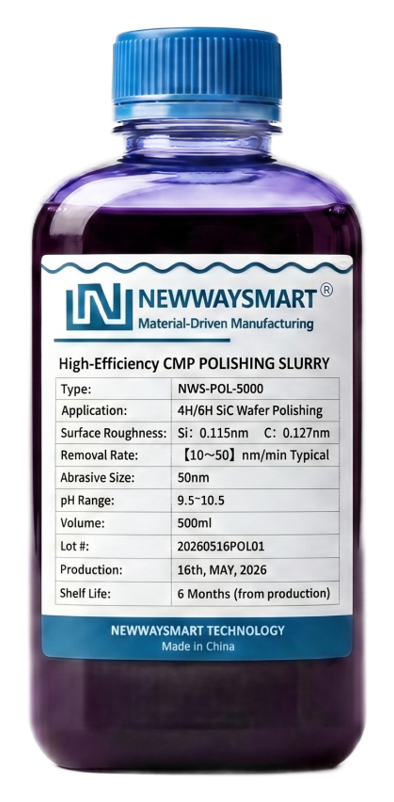
pH, abrasive type and size, compatibility, filtration, cleaning and contamination control
Repeatability
Inspection points, consumable life, lot traceability, approved change and replenishment planning

FOCUSED PRODUCT TYPES

Move from the application into a specific product review.

These links narrow the buyer journey without pretending that one construction fits every process.
Cutting-insert carrierC-Style Insert Lapping CarriersDrawing-controlled epoxy or laminate carriers for CNMG, CCMT and related 80-degree rhombic insert families.Review this product →Cutting-insert carrierD-Style Insert Lapping CarriersDrawing-controlled carriers for DNMG, DCMT and related 55-degree rhombic insert families.Review this product →Cutting-insert carrierS-Style Square Insert Lapping CarriersCarrier layouts for SPGX, SCGX, SNMA and customer-defined square insert blanks.Review this product →Cutting-insert carrierV-Style Insert Lapping CarriersProtected pocket and loading directions for VNMG and related 35-degree rhombic insert families.Review this product →

APPLICATION REVIEW FAQ

Keep the first technical discussion focused.

Can a route be reviewed from a failed trial?+

Yes. Current defects, wear, removal data, used consumables and inspection evidence often make the constraints clearer than a blank specification.

Are material and slurry considered together?+

Yes. Contact material, carrier or plate structure, abrasive, pH, liquid transport and cleaning are reviewed as one process interface.

When is a recommendation final?+

Only after the drawing or selected specification, first-article measurement and application validation have been agreed. Public examples are guidance, not a universal guarantee.

APPLICATION REVIEW

Share the substrate, machine, current route and target result.

Prepare the first review →

RELATED TECHNICAL READING

Understand the process before selecting a consumable.

What a Lapping Carrier Actually Does in a Double-Side ProcessTen Input Groups That Make a Carrier Quotation Useful

WORKPIECE & PROCESS FIT

Indexable insert face lapping

Cemented-carbide and cermet inserts with drawing-defined pockets.
What to specify
Full maker code, shape, inscribed circle, thickness and corner details. Shared code elements do not make different manufacturers’ grades or suffixes interchangeable.
Made-to-order consumables
Carrier geometry and material, plate grooves, pad contact properties, conditioning, cleaning and polishing media are reviewed for the actual process. Drawing review and first-article support establish the repeat-order specification.