Diamond · CVD

Diamond & CVD Component Finishing

A staged lapping and polishing review for hard diamond components, tools and CVD blanks without confusing grinding, lapping and final polishing.
Diamond · CVDMaterial-led process review

PROCESS PRIORITIES

Protect the result before selecting the consumable.

  • Stock removal before final polish
  • Edge and facet control
  • Abrasive/plate compatibility

ENGINEERING ROUTE

A connected path from definition to validation.

  1. Define crystal, geometry and starting state
  2. Separate grinding, lapping and polishing
  3. Select contact tool and diamond media
  4. Measure surface and geometry by stage

FIRST REVIEW INPUTS

Useful information for a focused response.

  • Single-crystal, polycrystalline or CVD
  • Face, edge or bevel geometry
  • Machine and plate
  • Starting and target surface condition

APPLICATION MATCHING

Four evidence groups keep the recommendation grounded.

01

Incoming state

Material grade, dimensions, orientation, existing damage and current process evidence
02

Machine system

Single- or double-side layout, plate size, motion, pressure, liquid delivery and existing tooling
03

Contact system

Carrier pocket, holding method, pad or plate, edge protection and release behaviour
04

Target result

Removal, thickness, TTV, flatness, finish, contamination, yield and inspection method

PROCESS DEVELOPMENT

Connect material removal, surface protection and production control.

The selected carrier, pad or plate and chemistry must be reviewed as one working interface. Trial data then defines the acceptance and repeat-supply baseline.
Removal route
Stock removal, abrasive family, delivery method and transition from lapping to polishing
Surface protection
Scratch, edge chipping, contact marks, stains, subsurface damage and controlled release
Chemistry
pH, abrasive type and size, compatibility, filtration, cleaning and contamination control
Repeatability
Inspection points, consumable life, lot traceability, approved change and replenishment planning

FOCUSED PRODUCT TYPES

Move from the application into a specific product review.

These links narrow the buyer journey without pretending that one construction fits every process.
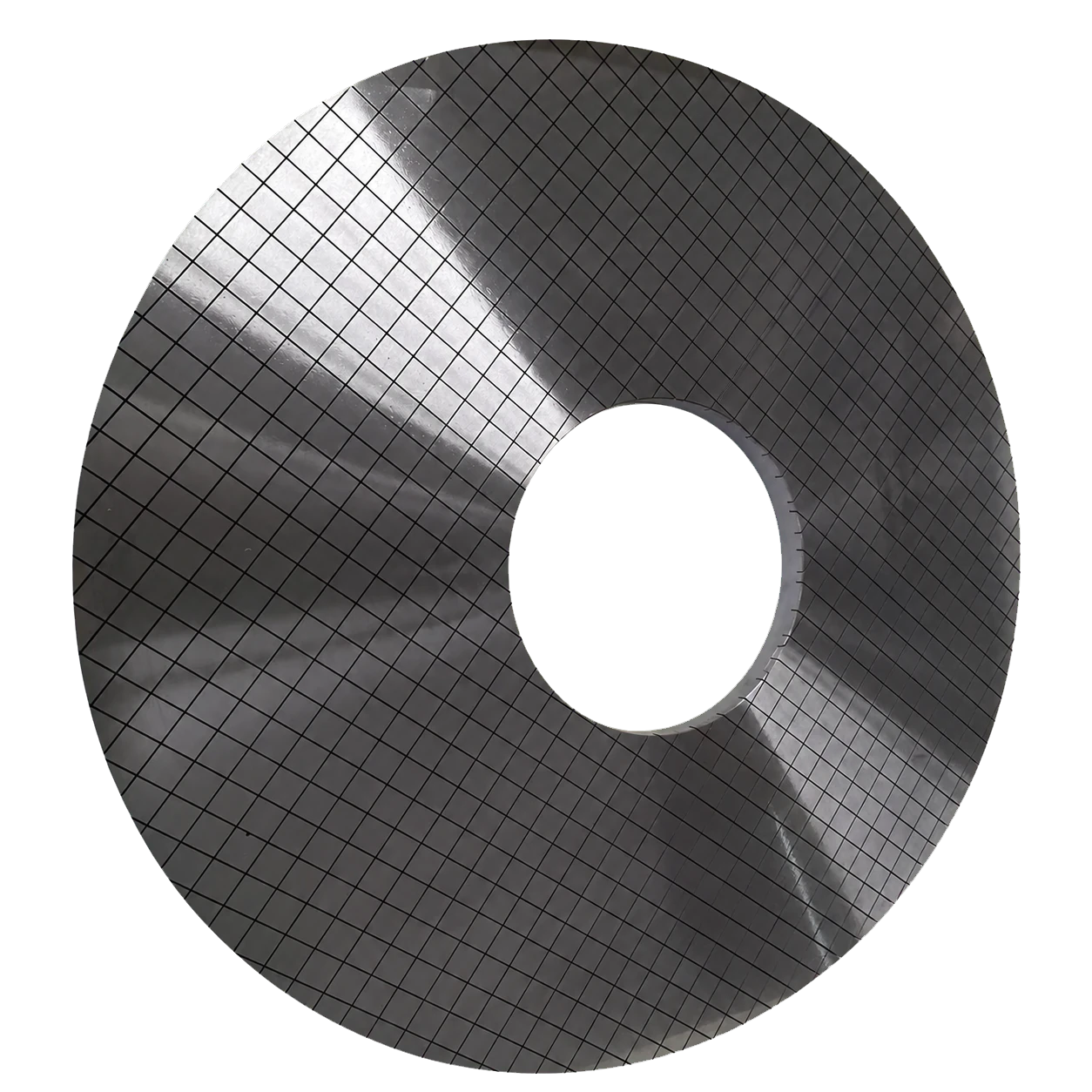
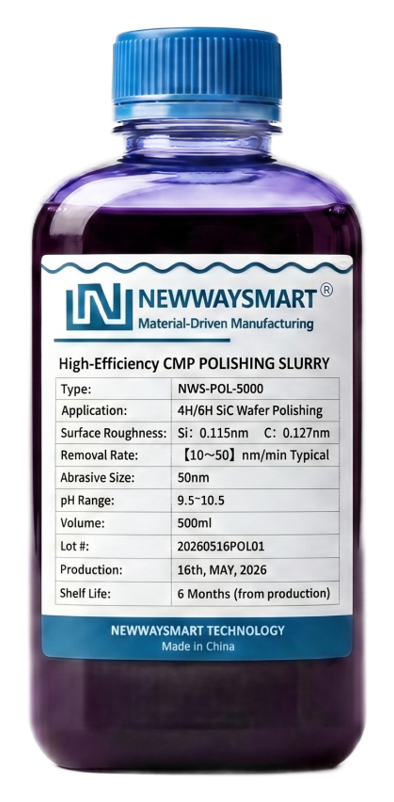
Fixed abrasiveDiamond-Pellet Grinding PlatesRadial or annular diamond-pellet layouts designed around line speed, coolant access and uniform wear.Review this product →Coated abrasiveDiamond Lapping & Polishing FilmsPrecision coated-abrasive films selected by backing, diamond type, grade and format for controlled fine finishing.Review this product →Diamond slurryMonocrystalline Diamond SlurriesDiamond-slurry directions for controlled lapping and polishing where cutting action, suspension and surface target are matched.Review this product →Diamond slurryPolycrystalline Diamond SlurriesPolycrystalline-diamond suspension directions for fine removal and surface refinement on compatible hard materials.Review this product →

APPLICATION REVIEW FAQ

Keep the first technical discussion focused.

Can a route be reviewed from a failed trial?+

Yes. Current defects, wear, removal data, used consumables and inspection evidence often make the constraints clearer than a blank specification.

Are material and slurry considered together?+

Yes. Contact material, carrier or plate structure, abrasive, pH, liquid transport and cleaning are reviewed as one process interface.

When is a recommendation final?+

Only after the drawing or selected specification, first-article measurement and application validation have been agreed. Public examples are guidance, not a universal guarantee.

APPLICATION REVIEW

Share the substrate, machine, current route and target result.

Prepare the first review →

RELATED TECHNICAL READING

Understand the process before selecting a consumable.

Why Carrier, Plate, Pad, Conditioning and Slurry Must Be Matched as One System

WORKPIECE & PROCESS FIT

Diamond and superhard component finishing

Single-crystal and CVD diamond components, PCD and CBN workpieces.
What to specify
Material structure, face orientation, binder if present, geometry and grinding-to-polishing sequence.
Made-to-order consumables
Carrier geometry and material, plate grooves, pad contact properties, conditioning, cleaning and polishing media are reviewed for the actual process. Drawing review and first-article support establish the repeat-order specification.