PRODUCT OPTIONS
Available constructions and formats.
- Blue steel and stainless steel carrier options
- Custom tooth forms, pockets and sheet thickness
- Carrier supply for wafers, optical glass and precision parts

NWS-MTC · Metal carrier

NEWWAYSMART · APPLICATION-SELECTED GRADES
Compare representative material and formulation options by workpiece and process stage. All products are made to order, with sample and first-article support. Numerical values below are typical selection references; the final specification is agreed for your process.
| Model / product | Workpiece & stage | Typical selection parameters |
|---|---|---|
| NWS-MTC-2101Thin Blue-Steel Lapping CarriersView grade → | Thin wafers, quartz and optical glassDouble-sided lapping |
|
| NWS-MTC-2102Stainless-Steel Wafer CarriersView grade → | Wafers, quartz and optical componentsDouble-sided lapping / polishing |
|
Need a different size, hardness, particle distribution or chemistry? Send your current process and target. For slurries, particle size is only labelled D50 where that statistic is specified. Shore A and Shore D hardness values are different scales.
PRODUCT OPTIONS
CUSTOM SUPPLY
APPLICATIONS
APPLICATION & ORDER INFORMATION
Custom dimensions and configurations are available. Send a drawing, sample photo or product requirement for an order-specific quotation.
Material, dimensions, configuration and order quantity affect the quotation. We do not publish a universal price for custom products. Request a quotation for your product →
PRODUCT TYPES
EXPLORE NEWWAYSMART
RELATED PRODUCTS
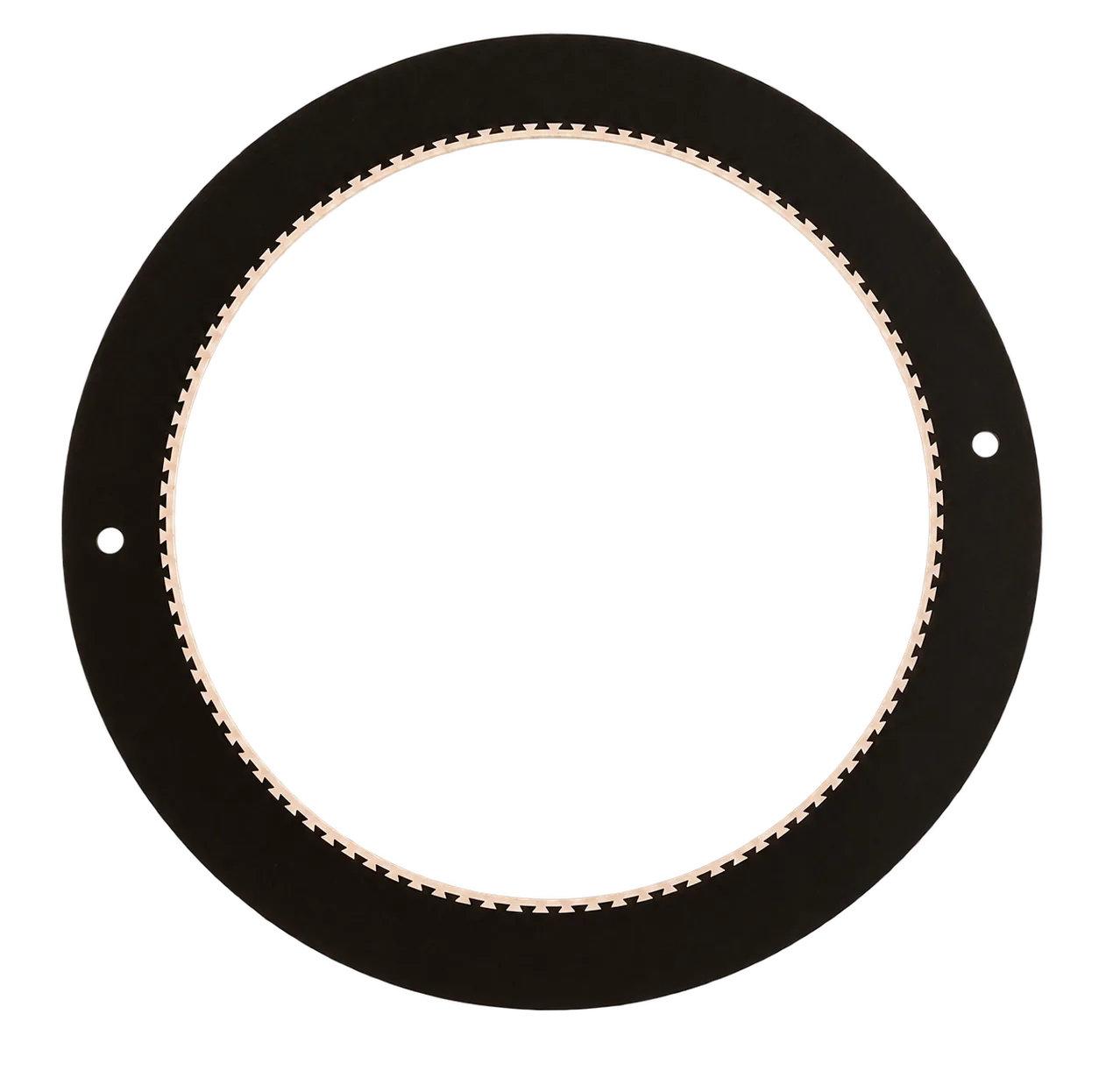 Composite Lapping CarriersA precision metal drive body with engineered polymer contact zones for sensitive, brittle or high-value workpieces.
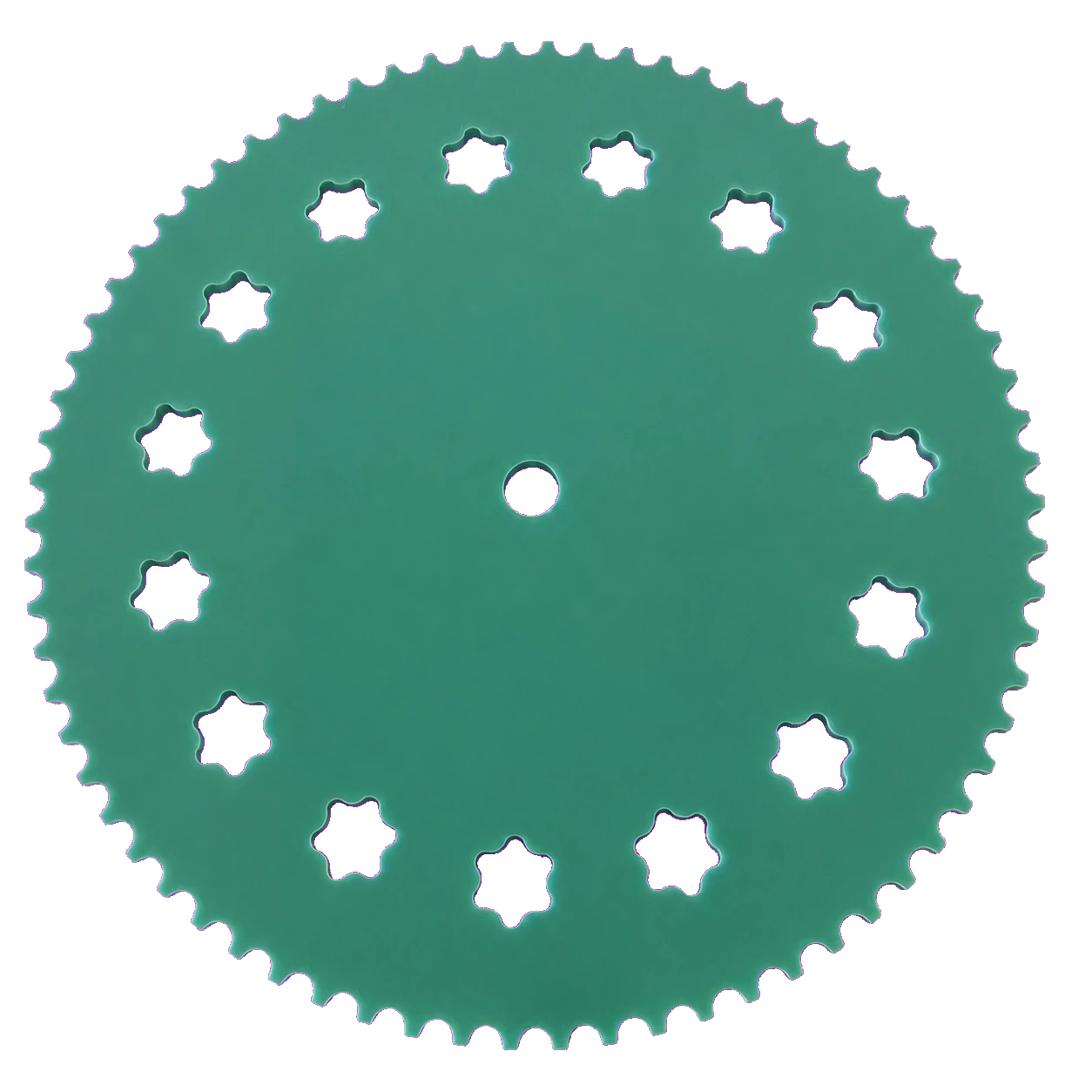 Epoxy & Resin CarriersApplication-led polymer and laminated carrier directions for contact-sensitive workholding and process development.
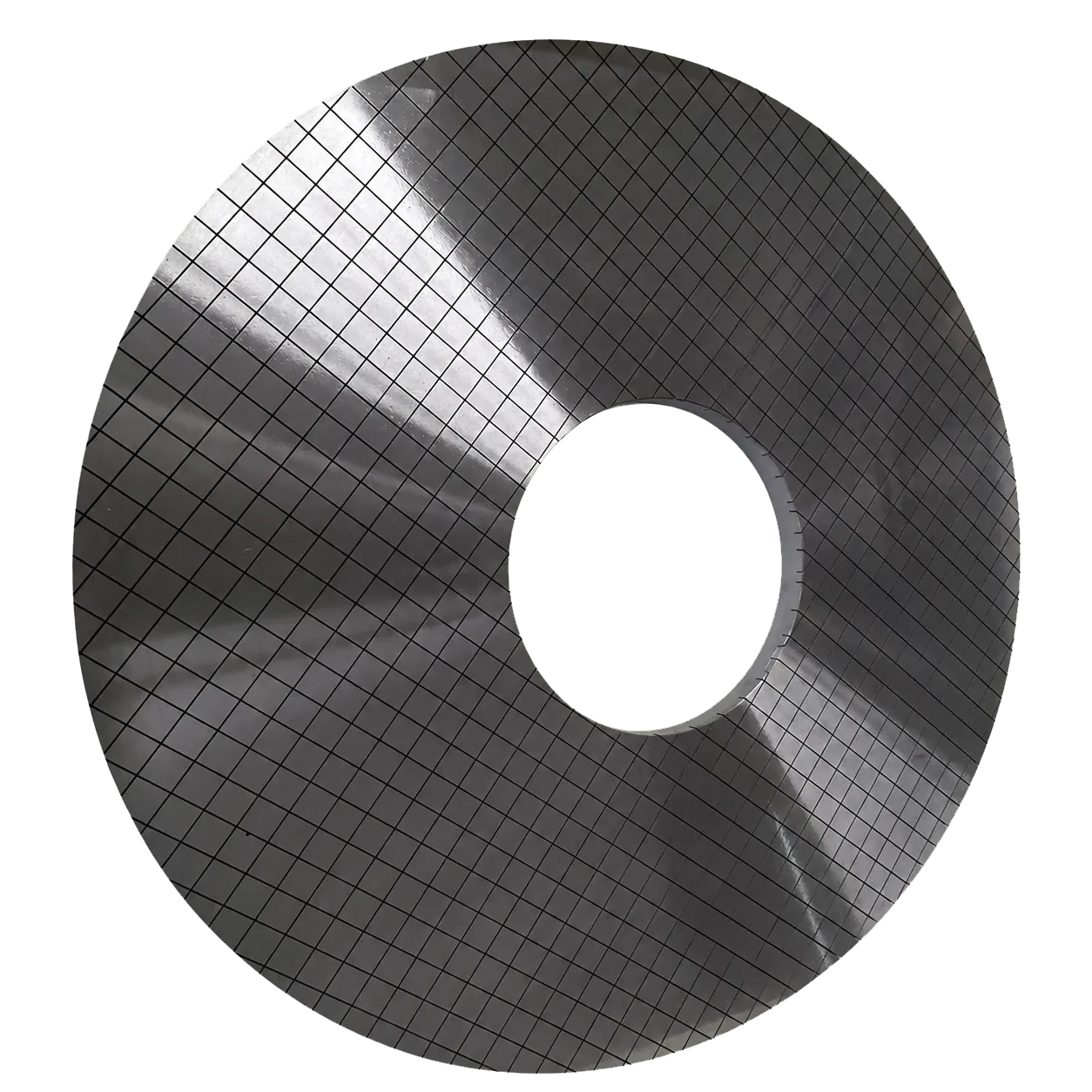 Lapping & Grinding PlatesPlate materials, groove patterns and abrasive routes matched to removal behaviour, slurry transport and target surface.
DRAWING · SAMPLE · PRODUCT REQUIREMENT