
PRODUCT & APPLICATION ARTICLES
Find the product family, material or application relevant to your project.
Practical buying guides for identifying products, comparing replacements and preparing a focused supplier enquiry. Confidential project details can be discussed directly.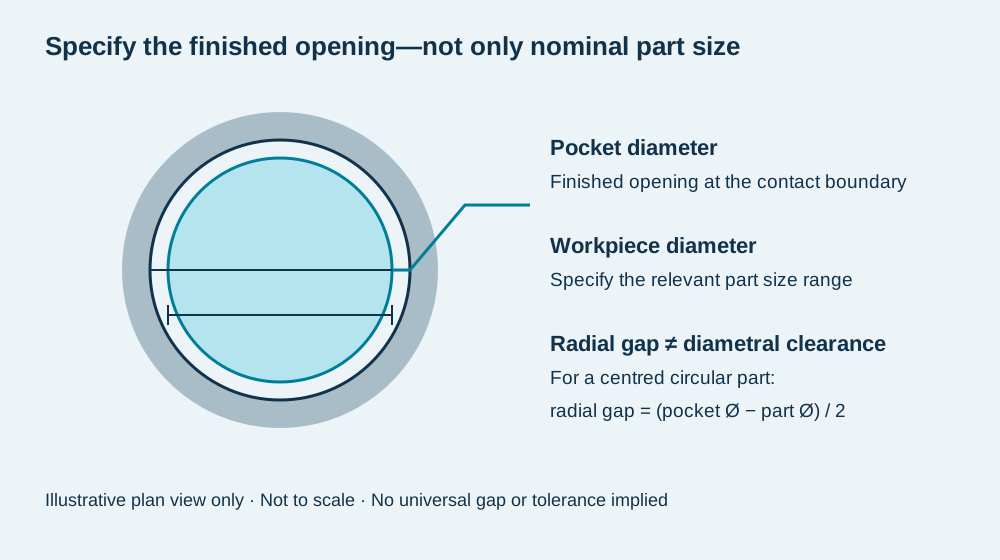
01
Carriers
Carrier Pocket Clearance: A Buyer’s Guide to Replacement Specifications
Understand pocket dimensions, radial versus diametral clearance and finished insert openings when ordering a replacement carrier.Read buying guide →
02
Carriers
Blue Steel or Stainless Lapping Carriers: What a Replacement Quote Must Specify
Compare metal carrier replacement offers by grade identity, drawing, finished condition and wet-environment requirements—not appearance alone.Read buying guide →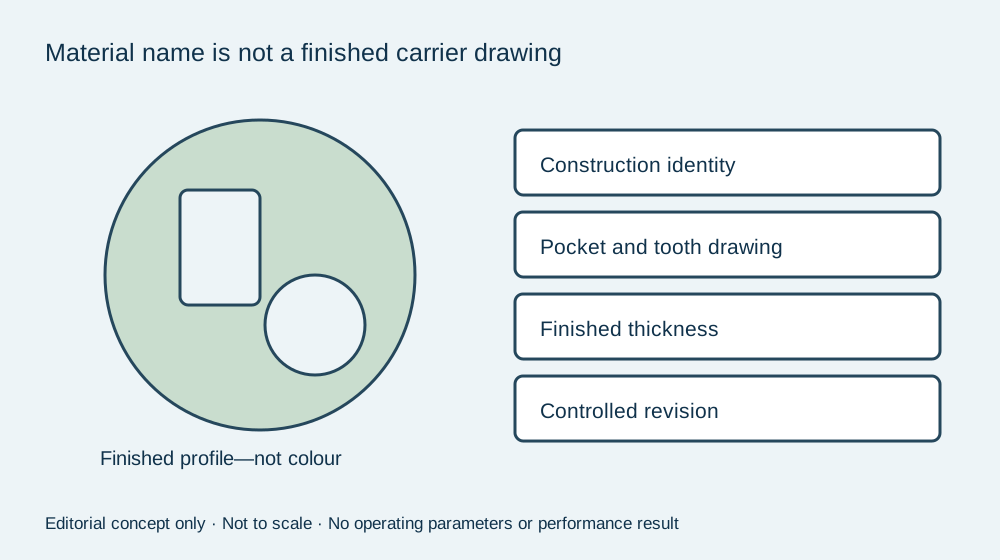
03
Carriers
Ordering Epoxy and Resin Lapping Carriers: Material Identity and Finished Geometry
Distinguish resin, reinforced laminate and other polymer carriers when specifying a drawing-based replacement.Read buying guide →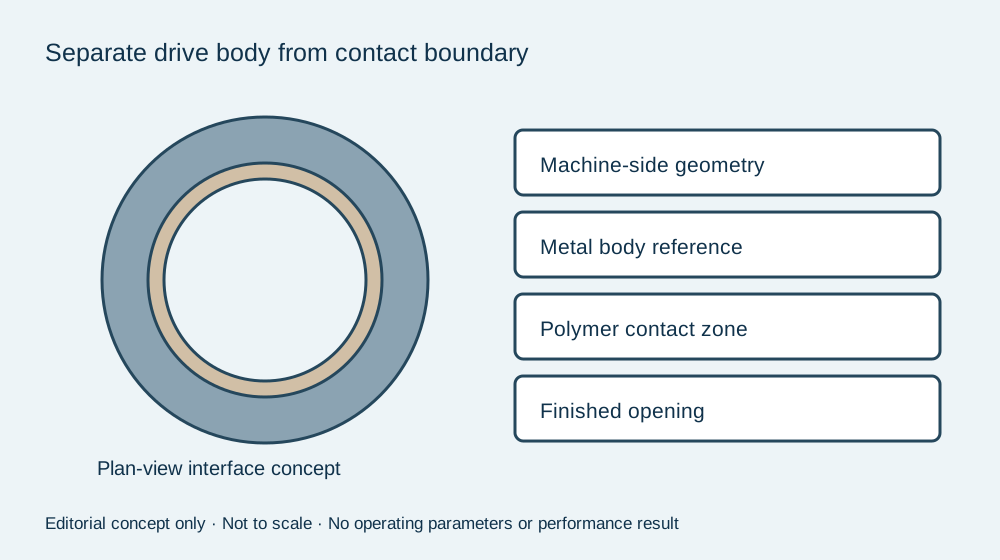
04
Carriers
Composite Lapping Carriers: Specify the Body and the Finished Contact Opening
A purchasing guide to the metal body, polymer contact zone and finished pocket definition in a composite carrier.Read buying guide →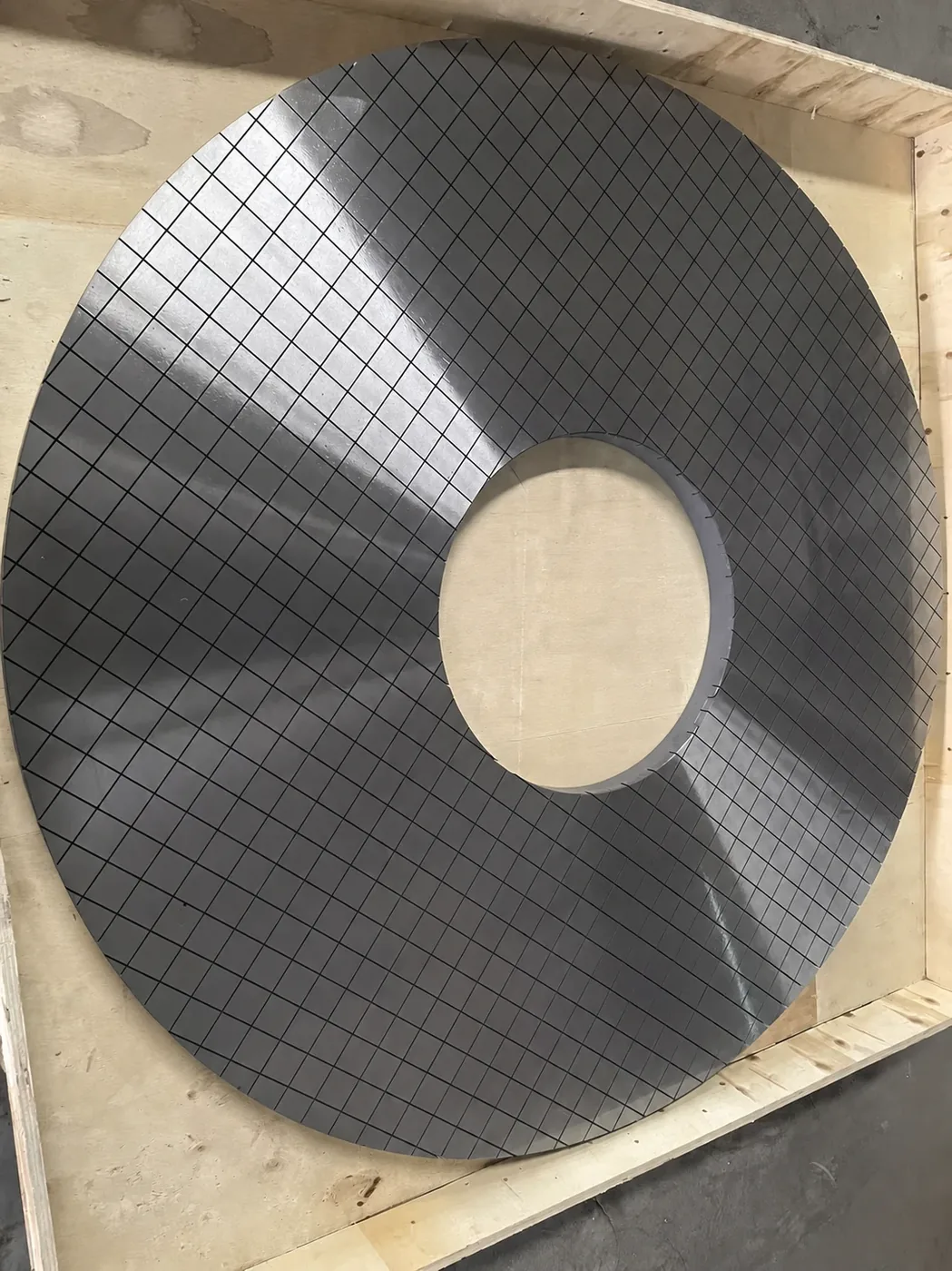
05
Plates
Buying a Replacement Lapping Plate: Working Face, Grooves and Mounting
Compare plate quotations by working-face construction, groove drawing, mounting interface and supply scope.Read buying guide →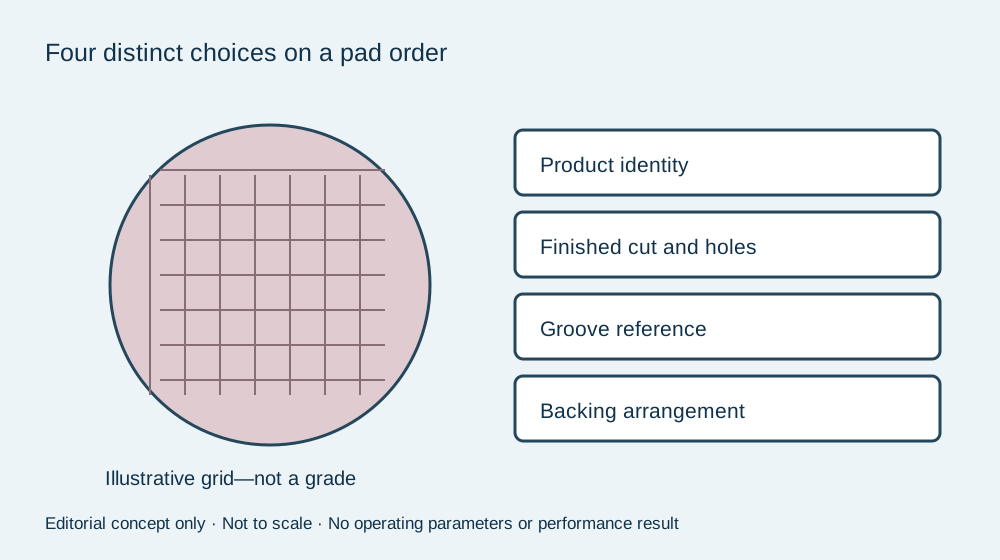
06
Polishing pads
PU Polishing Pad Orders: Grade, Thickness, Grooves and Backing
Understand the pad specifications a buyer needs, and why colour or a hardness number alone cannot identify a replacement.Read buying guide →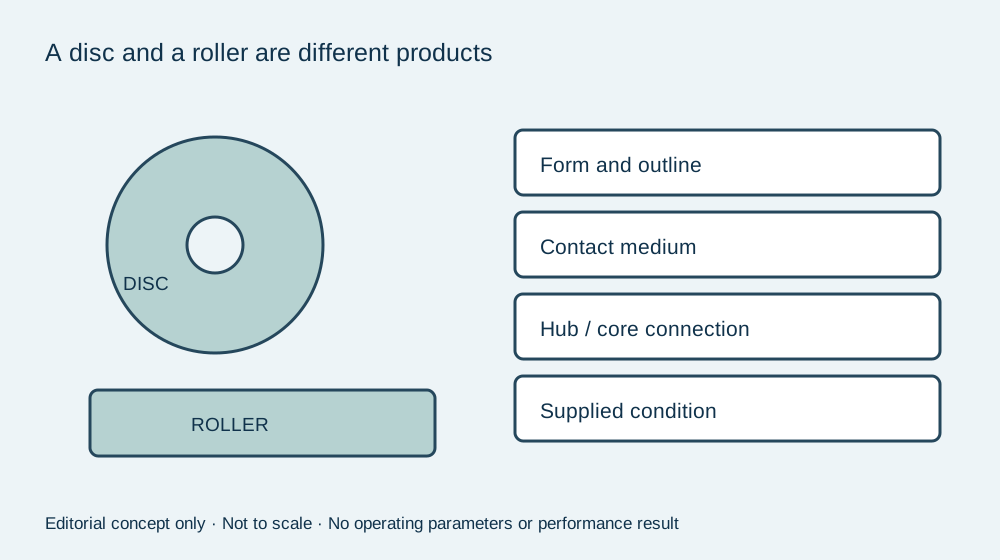
07
Cleaning tools
Cleaning Brush Discs and PVA Brushes: Identify the Product Before Comparing Offers
Separate brush-disc geometry, contact media and machine connection from specialised post-CMP brush products.Read buying guide →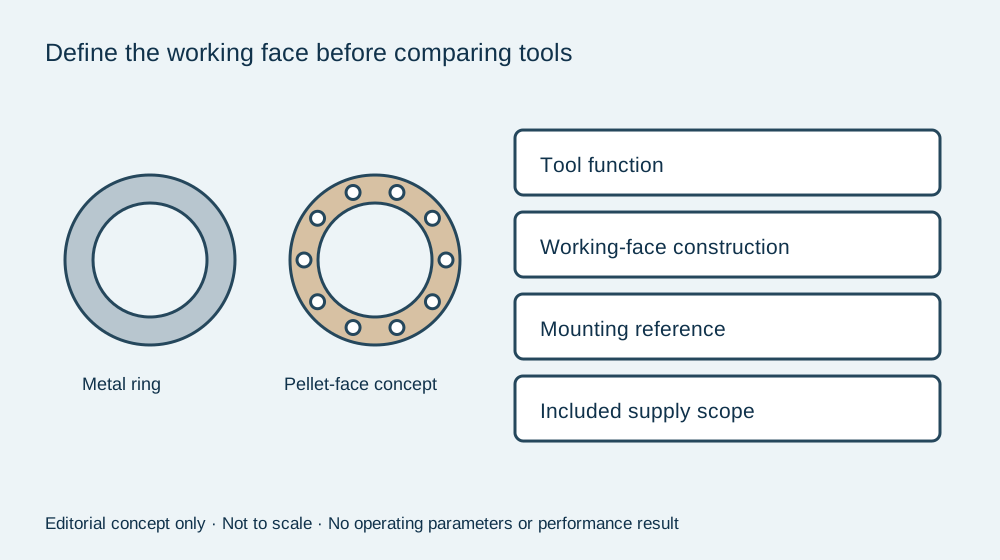
08
Conditioning tools
Conditioning Rings, Wheels and Diamond Discs: Avoid Ordering the Wrong Tool
Distinguish conditioning-tool form, working surface and replacement interface before comparing quotations.Read buying guide →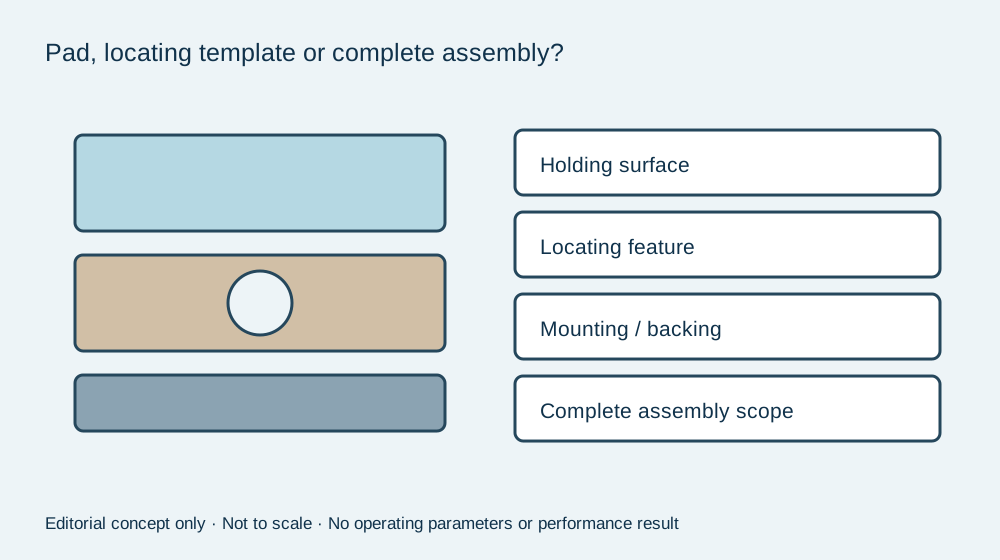
09
Holding products
Holding Pads, Adsorption Pads and Templates: What Is Included in Your Order?
Distinguish a holding surface, locating template and complete waxless assembly in single-side polishing supply.Read buying guide →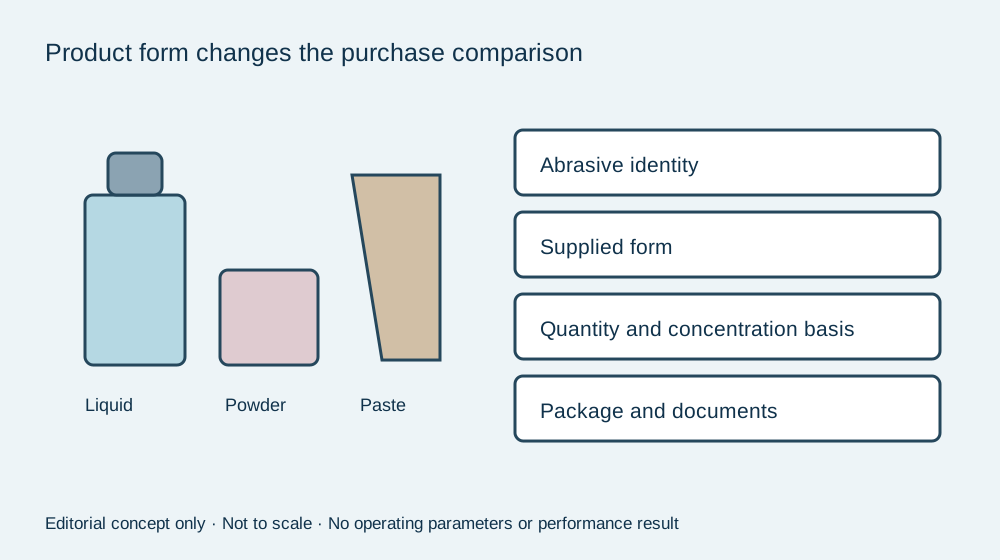
10
Polishing liquids
Polishing Slurry, Compound or Powder: Compare the Product Form Before the Price
Understand abrasive identity, liquid form, concentration basis and packaging when comparing finishing-consumable quotes.Read buying guide →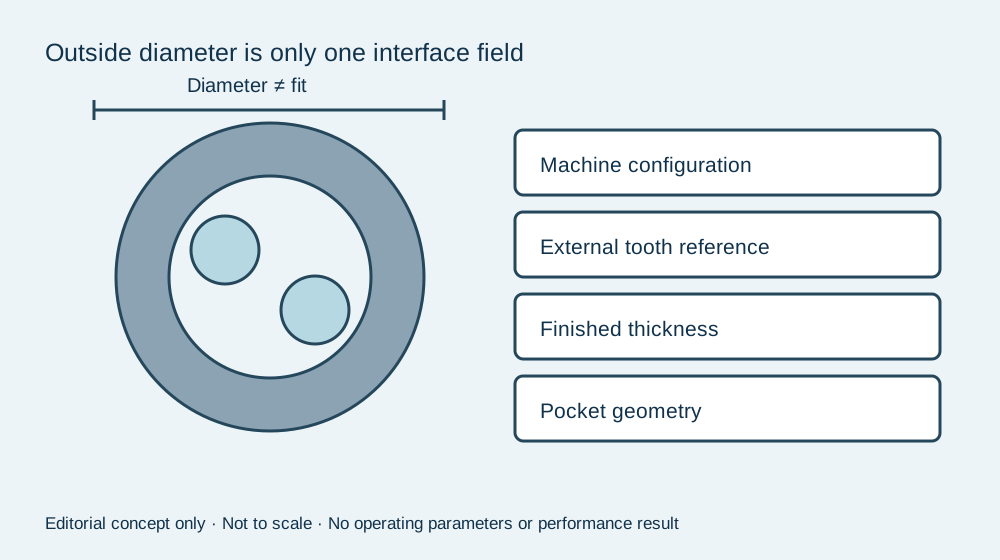
11
Replacement purchasing
Replacement Lapping Carrier Fit: Why Outside Diameter Is Not Enough
Define carrier tooth, thickness and pocket references before treating a replacement as machine-compatible.Read buying guide →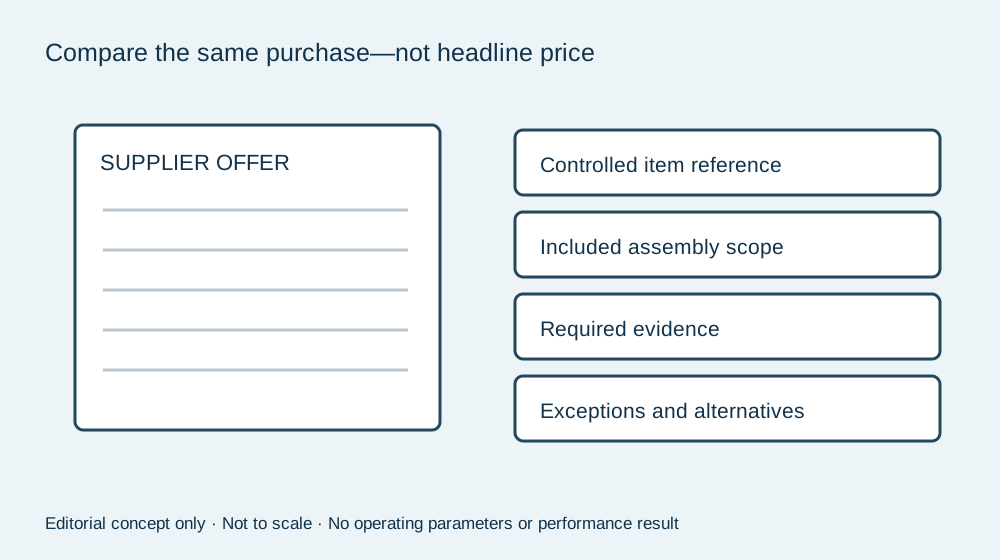
12
Supplier purchasing
Comparing Precision-Finishing Suppliers: Put Quotations on the Same Basis
Compare drawings, scope, evidence and commercial assumptions without confusing catalogue claims with confirmed supply.Read buying guide →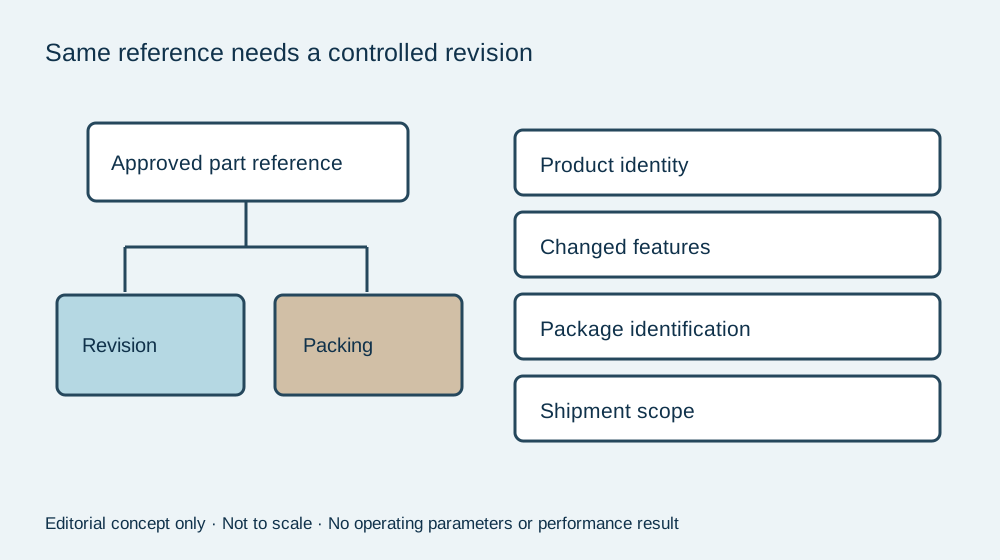
13
Supplier purchasing
Repeat Consumable Orders: Drawing Revision, Packaging and Delivery Scope
Keep repeat-order references and packing requirements explicit without assuming that a previous product photograph defines the next shipment.Read buying guide →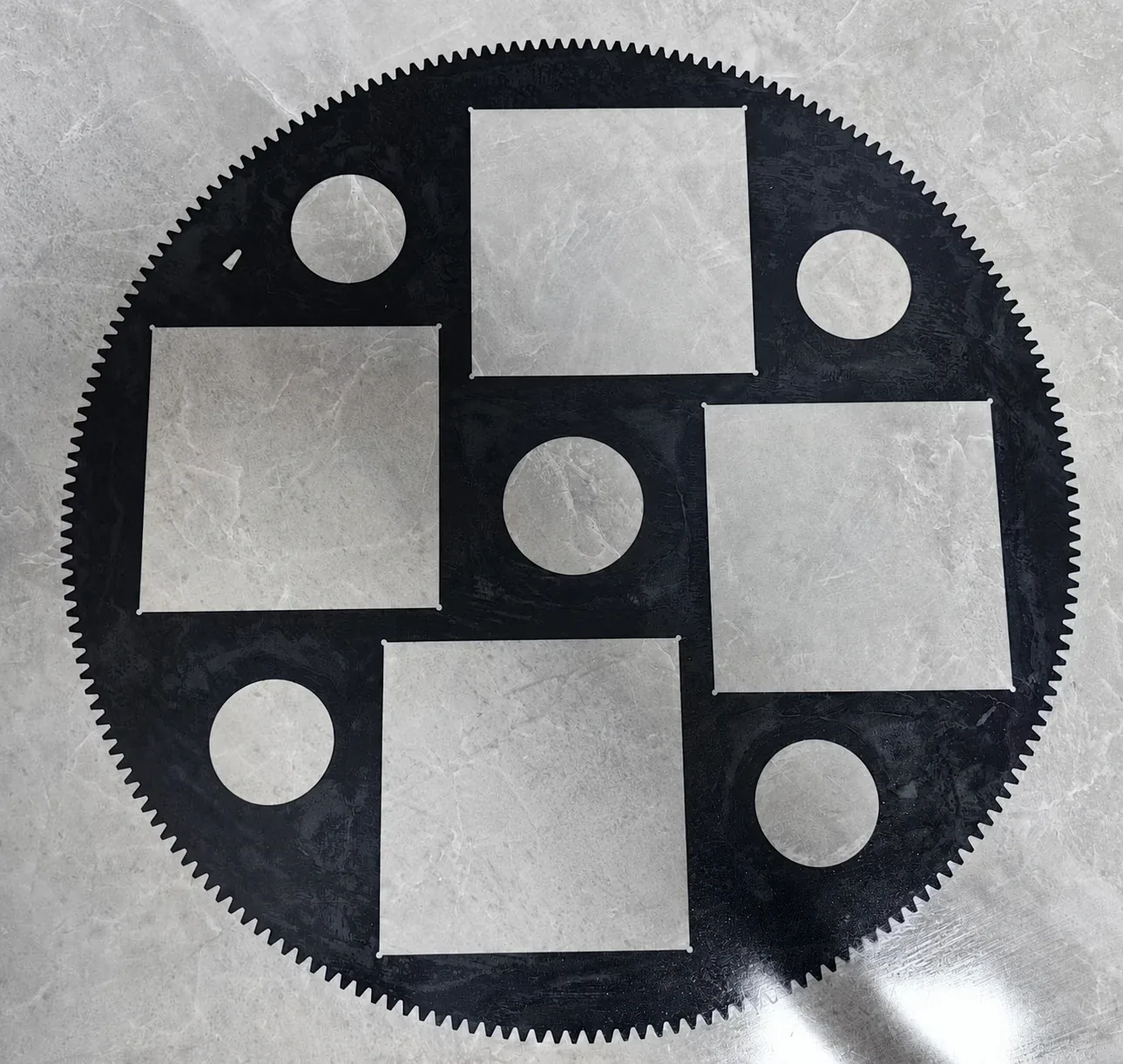
14
Carriers
What Is a Lapping Carrier? Products, Uses and Replacement References
Understand the workholding role of a lapping carrier and distinguish it from a plate, pad or transmission gear.Read buying guide →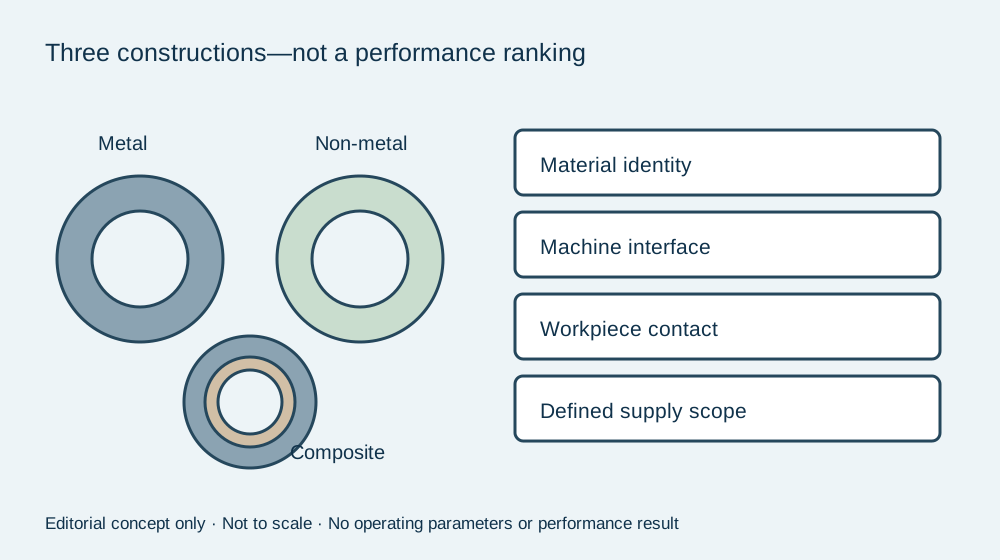
15
Carriers
Metal, Resin or Composite Lapping Carriers: Compare the Construction
Compare carrier constructions by machine interface, workpiece contact and controlled material identity.Read buying guide →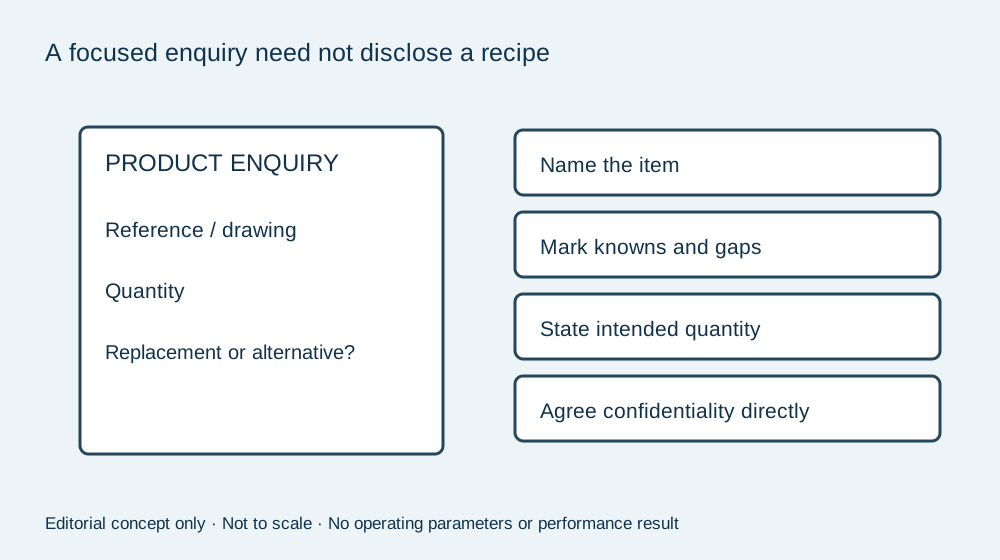
16
Replacement purchasing
Requesting a Lapping Carrier Quote Without Sharing Your Process Recipe
Start a carrier enquiry with product identity, drawing or sample reference, quantity and the changes you want to discuss.Read buying guide →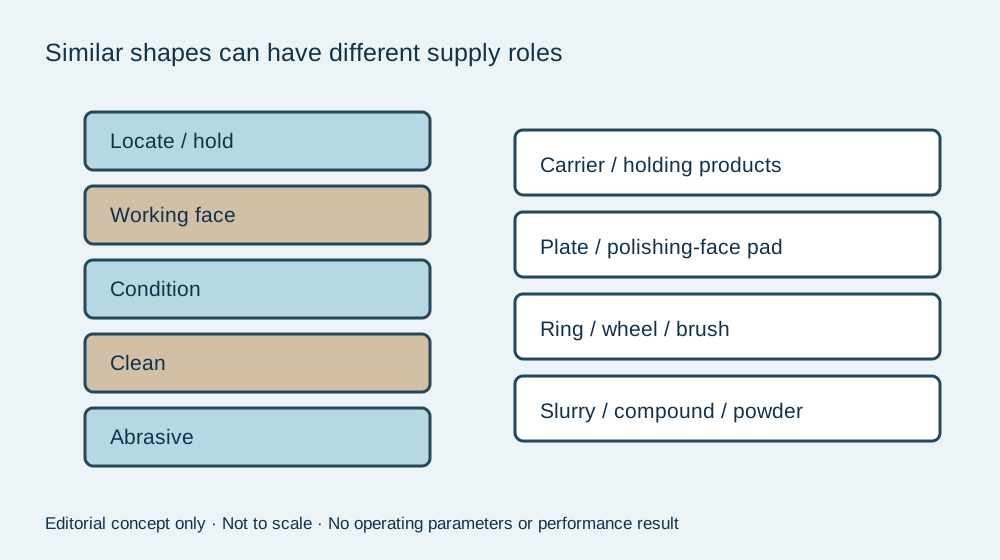
17
Product overview