
Replacement purchasing
Requesting a Lapping Carrier Quote Without Sharing Your Process Recipe
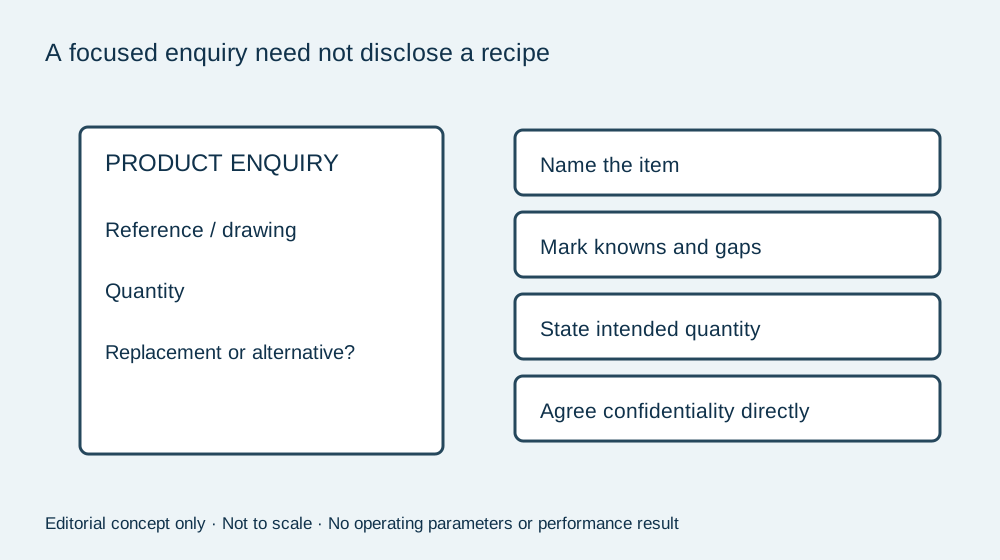
A first enquiry does not need to reproduce your complete engineering or qualification file. Begin with the item you want supplied, the existing reference or drawing, the workpiece envelope and the quantity. Make it clear whether you want the same replacement or a proposed alternative. Further confidential information can be agreed directly if the supply question genuinely requires it.
Identify the purchase, not only the problem
A request for a new carrier, an alternative contact construction and an enquiry about refurbishment are different scopes. Name the product or existing reference first, then describe the question. If you do not know the product name, send an identifying photograph with a short explanation of its role. This helps the supplier select the correct category before asking for detailed project information that may not yet be necessary.
Use a drawing where you can, acknowledge gaps where you cannot
Include the revision of an available drawing and identify whether it describes the finished carrier or only a component. Where a sample is the starting point, distinguish known dimensions from information still to be confirmed. A promotional image is not a dimensional drawing. An incomplete first enquiry is acceptable if its limits are visible; the mistake is presenting unconfirmed features as an approved manufacturing specification.
Describe alternatives separately from repeat supply
If you want a material or pocket change, say so explicitly. Do not let a lower-cost alternative be treated as an unchanged replacement. Ask the supplier to list what differs from the reference and what remains to be agreed. This makes the reply easier for purchasing to compare without requiring a long public explanation of your tests or operating methods. The enquiry should focus on the actual supply decision.
State quantity and essential commercial requirements
Include the intended quantity and the documents or packaging your organisation needs, where these are known. Ask where availability and delivery remain provisional rather than assuming the website confirms them. NewwaySmart can respond to product-specific enquiries through the website contact route. For confidential drawings or an NDA requirement, agree the transfer method directly. Never put passwords, trade-secret recipes or customer-sensitive data into a public article comment.
Buyer questions
Must I know every dimension before contacting a supplier?
No. Identify the item and the information you have; make the unresolved requirements visible so the quotation can be scoped responsibly.
Must I disclose the polishing recipe?
Not for basic product identification. Discuss further information and confidentiality only where the actual supply question requires it.