
Carriers
Metal, Resin or Composite Lapping Carriers: Compare the Construction
Carrier selection is not a contest in which one material wins every application. Metal, resin or polymer, and composite constructions describe different product options. A useful buyer comparison separates machine fit from workpiece contact and the wet-environment requirement. That comparison identifies what must be supplied without publishing your process recipe or inventing a universal material ranking.
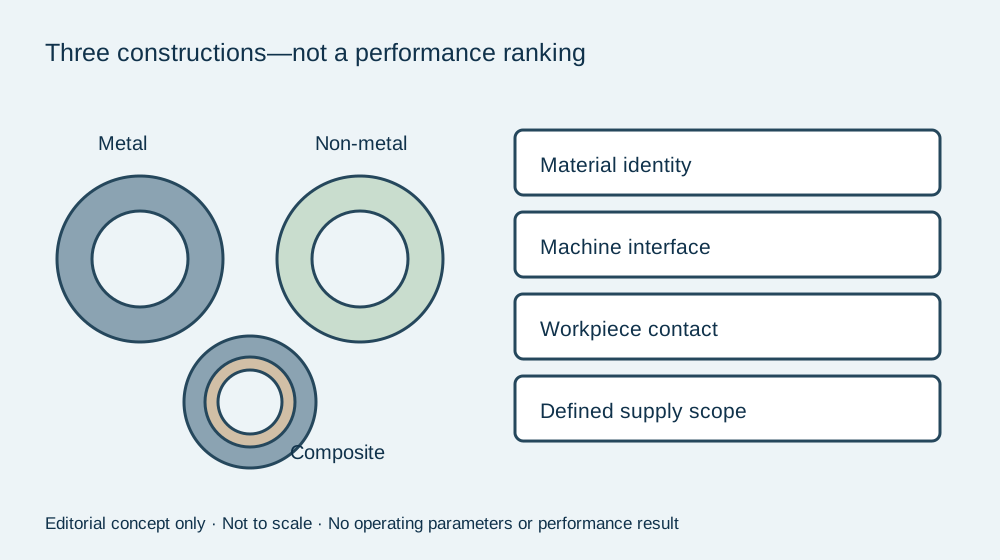
Metal carriers are a family, not one alloy
Blue-steel and stainless descriptions should lead to an agreed grade or existing product reference. Keep supplied surface condition and geometry in the comparison too. A bright surface is not a material certificate, and a stainless label is not unlimited chemical compatibility. If an alternative alloy is proposed, identify it separately rather than allowing a broad family name to hide the change from purchasing and engineering.
Non-metal names must remain distinct
A resin laminate and a named engineering polymer are not automatically equivalent. Identify the offered construction and relevant material reference, then compare finished-carrier dimensions. Raw sheet information is not a complete specification for the pockets and external teeth. Avoid choosing an alternative from colour or softness alone, and do not use one supplier’s grade data as proof that an unrelated material will behave identically.
Composite means separate body and contact roles
A composite carrier combines a body with another material at the contact region. Specify the completed assembly, especially the finished pocket boundary. It is useful to distinguish the machine-drive role from workpiece contact, but that distinction does not prove a quantified damage reduction or improved lifetime. Any such result belongs to a defined application and evidence record, not to the word composite by itself.
Compare the same application and order scope
Keep the required machine reference and workpiece envelope constant when comparing construction options. List proposed changes in the offer, including whether a complete new part or a different scope is supplied. NewwaySmart can discuss these carrier families for drawing-specific enquiries. The final choice is confirmed against the actual requirement; this page does not certify a substitute, a patented design or compatibility with every liquid and machine.
Buyer questions
Which carrier material is universally best?
There is no responsible universal ranking. Define the interface, workpiece contact and supply requirement first.
Does a composite carrier need a different pocket reference?
Confirm the finished contact opening of the assembled carrier, not just the opening in its body.