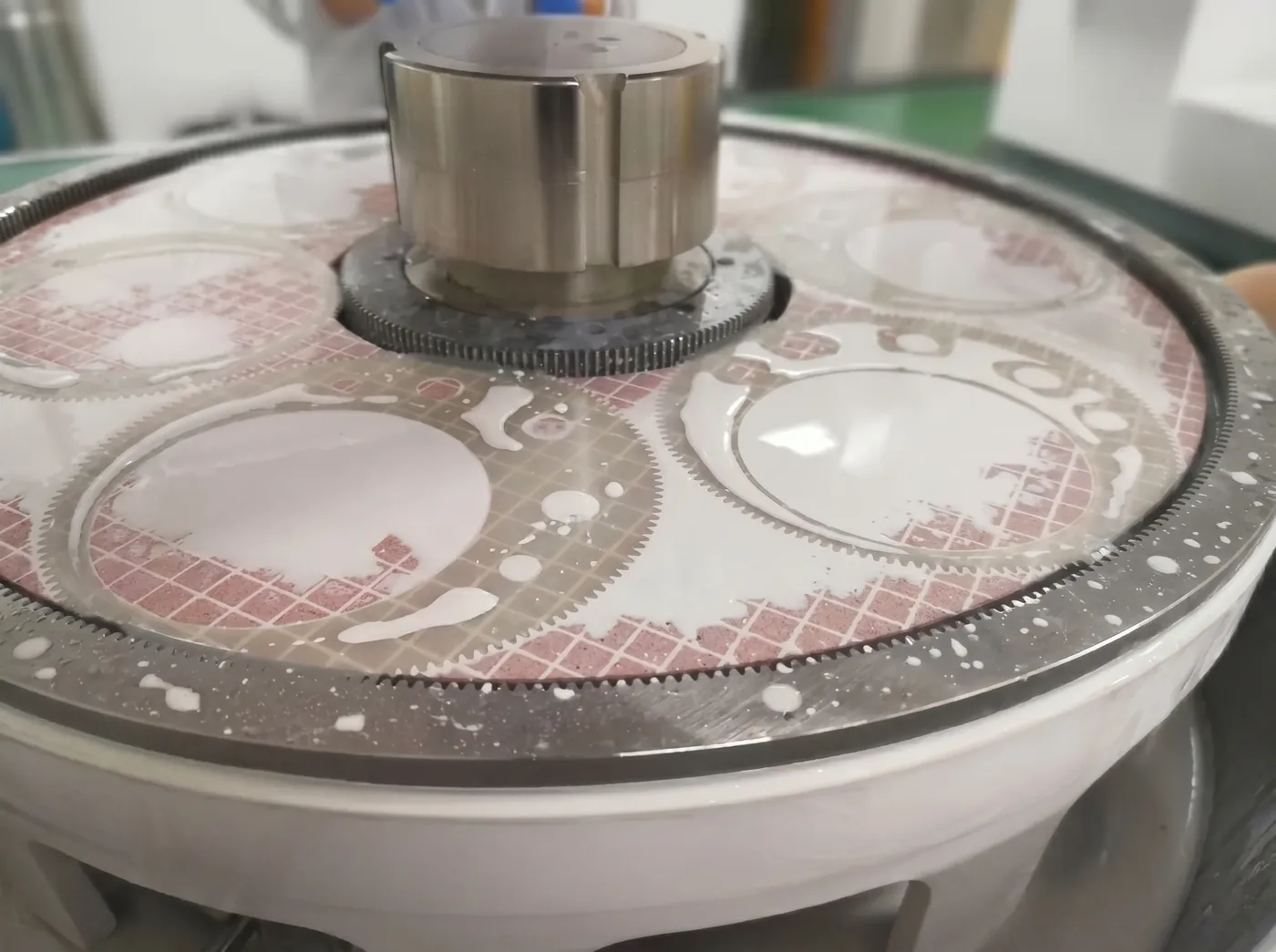
Machine-matched carriersOuter teeth, thickness, pockets and contact interface reviewed around the actual equipment.

LAPPING · GRINDING · POLISHING
Lapping & polishingconsumables.
We manufacture custom planetary lapping carriers and precision tooling. Our range also includes pads, plates and slurries for wafer, optical glass, ceramic and precision-part finishing. Start with your drawing, machine and process.

POLISHING CONSUMABLEComposite carrierOne engineered part within the complete application-matched consumables range.
 Interactive process visual: default twelve-inch motion; image-area hover cycles four, six and eight-inch workpiece pocket previews. Supported review sizes include 1, 2, 3, 4, 6, 8, 12, 18, 25 and 32 inches. These are pocket or workpiece sizes, not carrier outside diameters.
POLISHING CONSUMABLES, CORRECTLY MATCHED
A complete consumables solution across single- and double-side finishing.
Double-side carriers and plates, single-side holding and polishing interfaces, conditioning, cleaning and process chemistry are matched to the machine, workpiece, contact geometry and target finish. Pocket-size reviews support 1, 2, 3, 4, 6, 8, 12, 18, 25 and 32-inch workpieces; these values describe the pocket or workpiece, not the carrier outside diameter.
Process-matched consumablesCarrier, pad, plate-conditioning and slurry directions considered together.
Formulation-led customisationMaterial, surface, colour, resistance, chemistry and test direction defined around the application.
01 / POLISHING CONSUMABLES
Consumables-led. Process complete.
Nine connected product families cover workpiece location, material removal, contact control, surface conditioning, cleaning and process chemistry—from drawing review through first-article validation.


FLAGSHIP / COMPOSITE
Composite Lapping Carriers
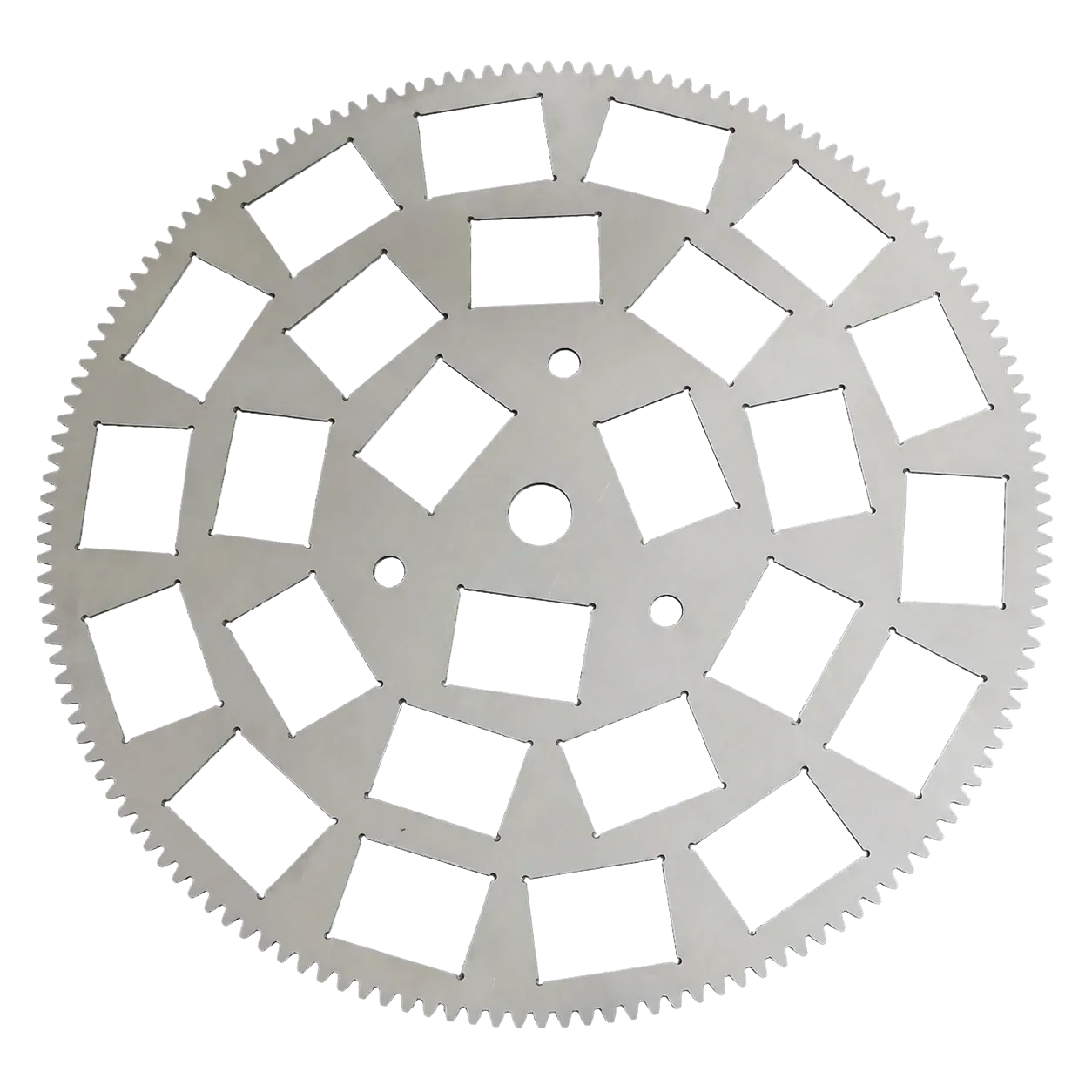

WORK CARRIER
Steel & Stainless Carriers
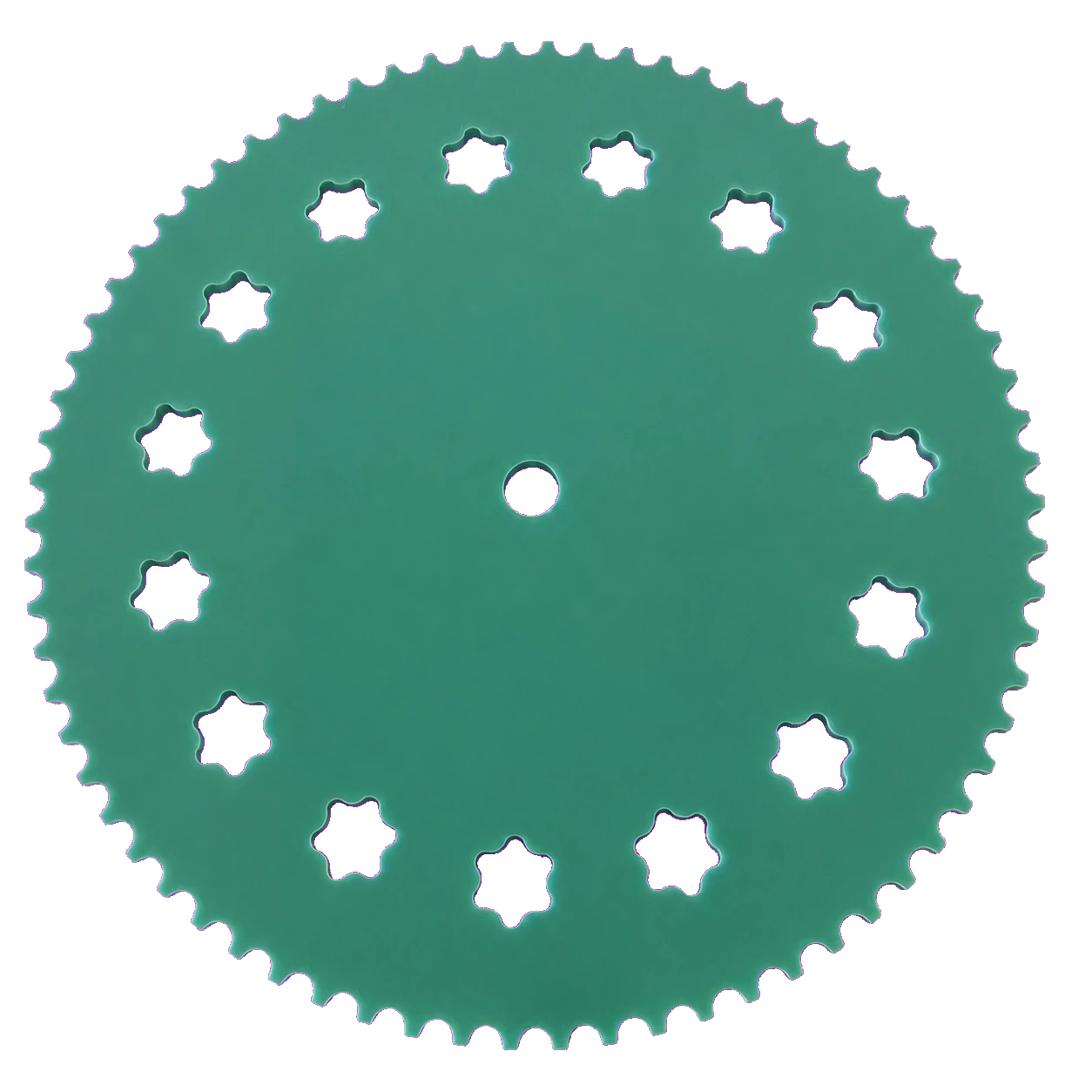
WORK CARRIER
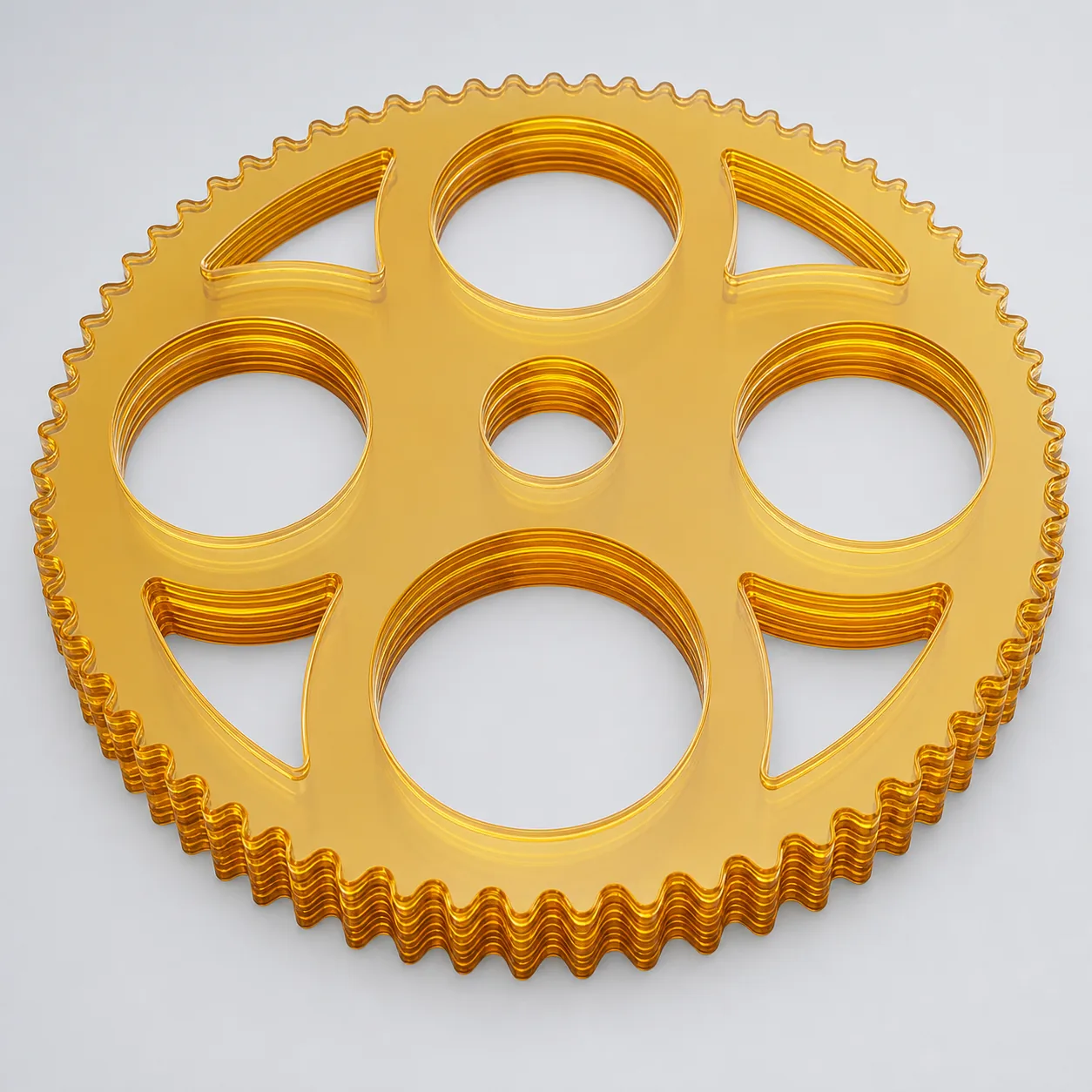
Epoxy & Resin Carriers
PROCESS TOOLING
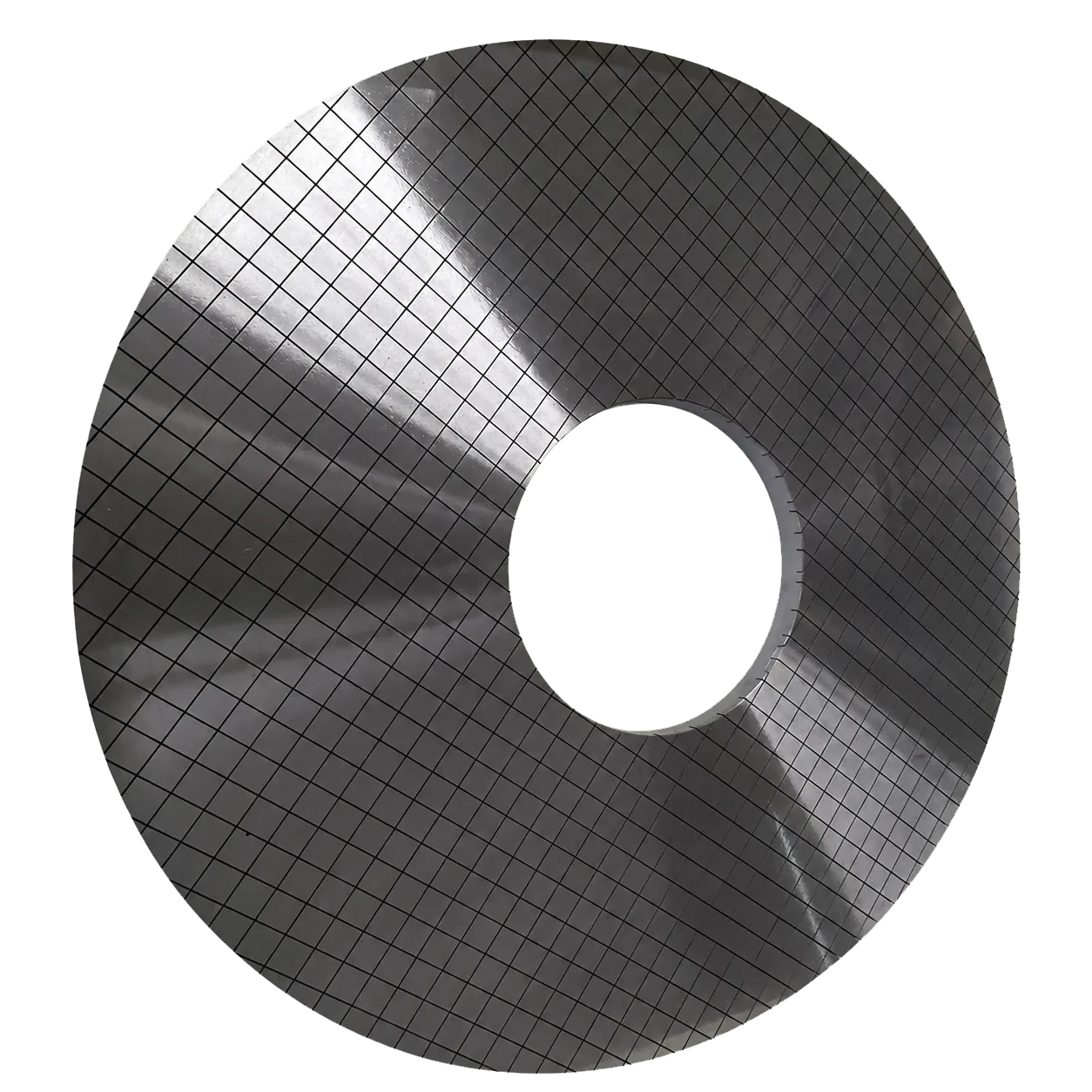
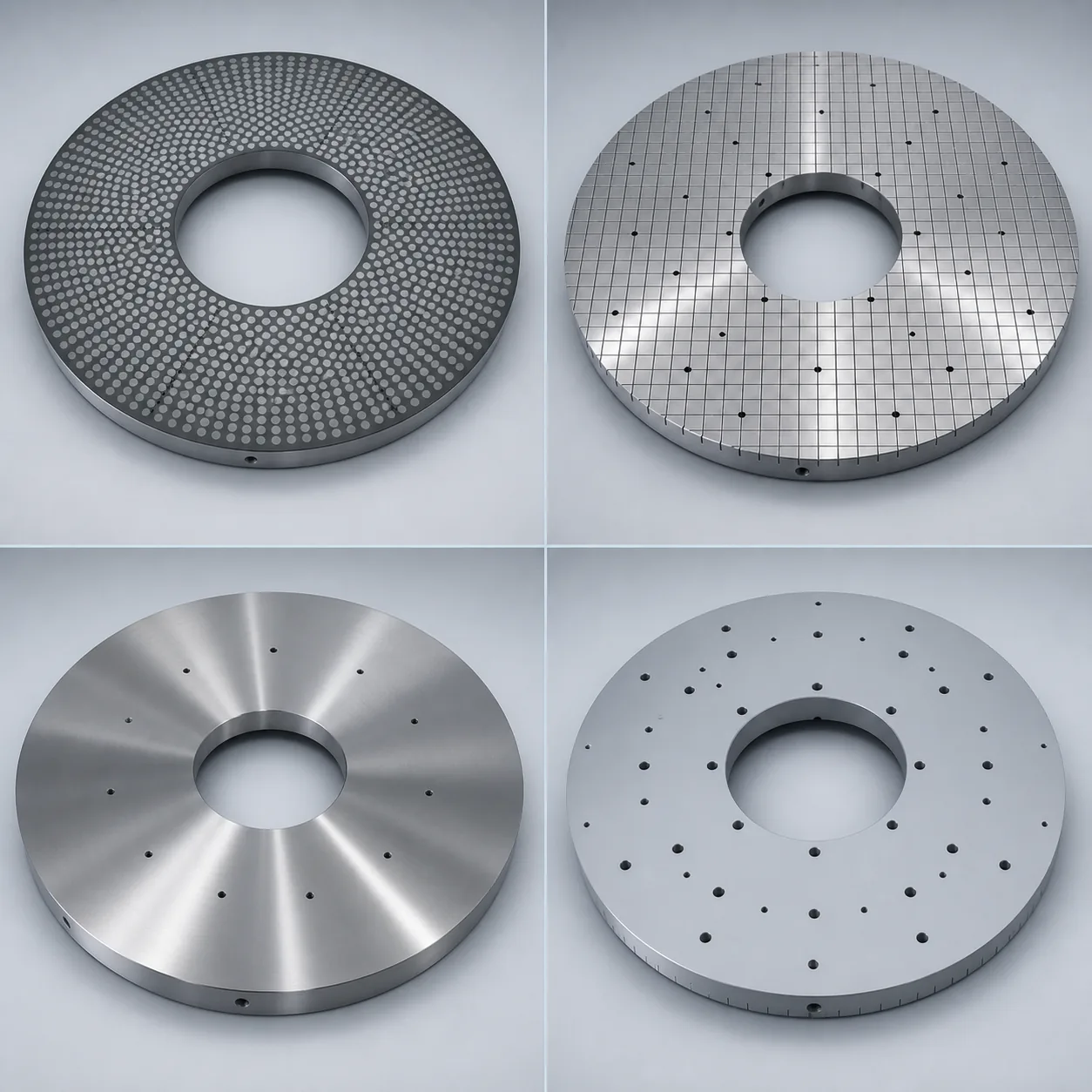
Lapping & Grinding Plates
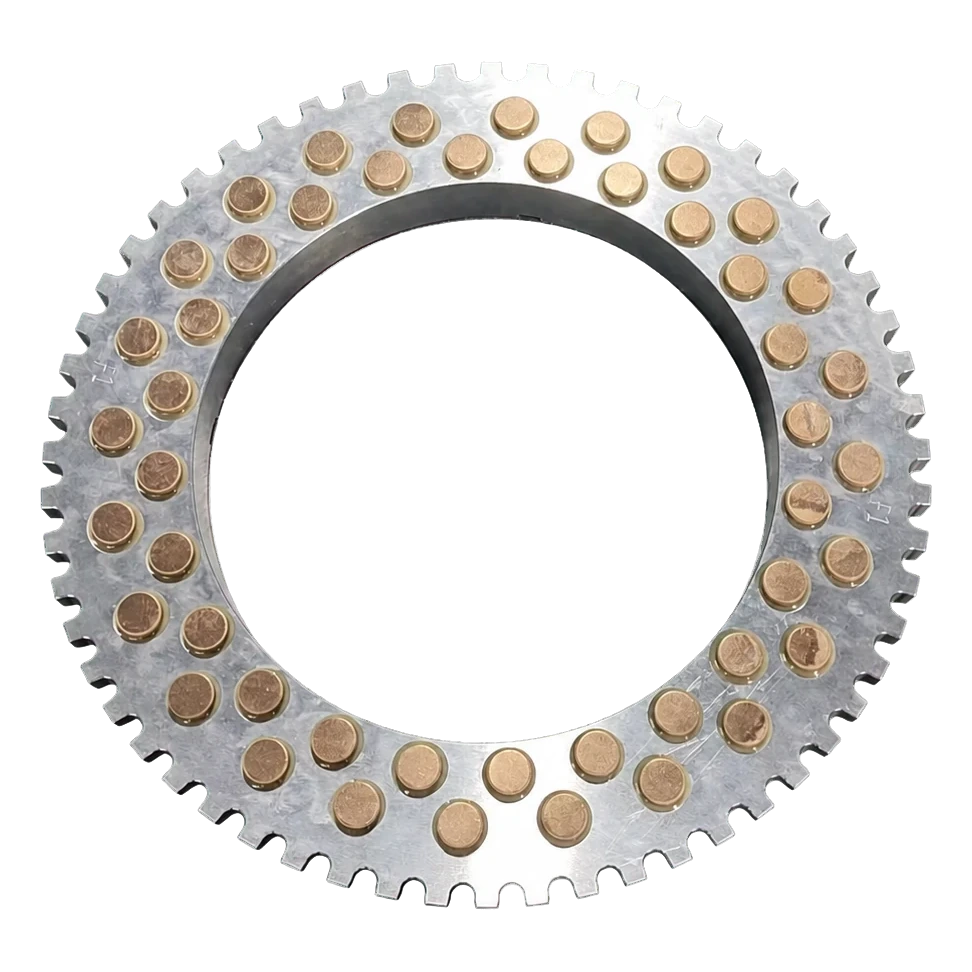
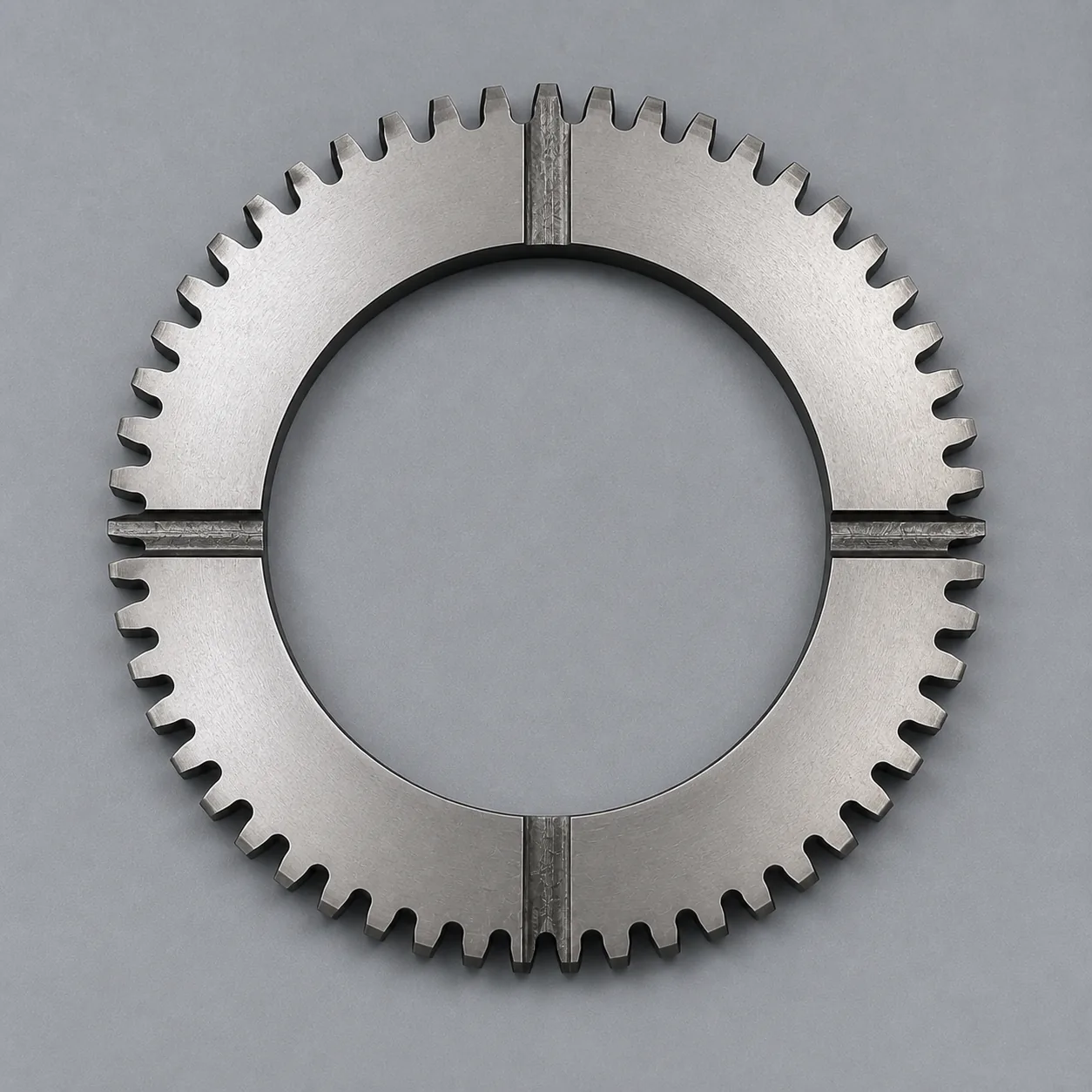
PLATE CONTROL
Conditioning Rings & Wheels
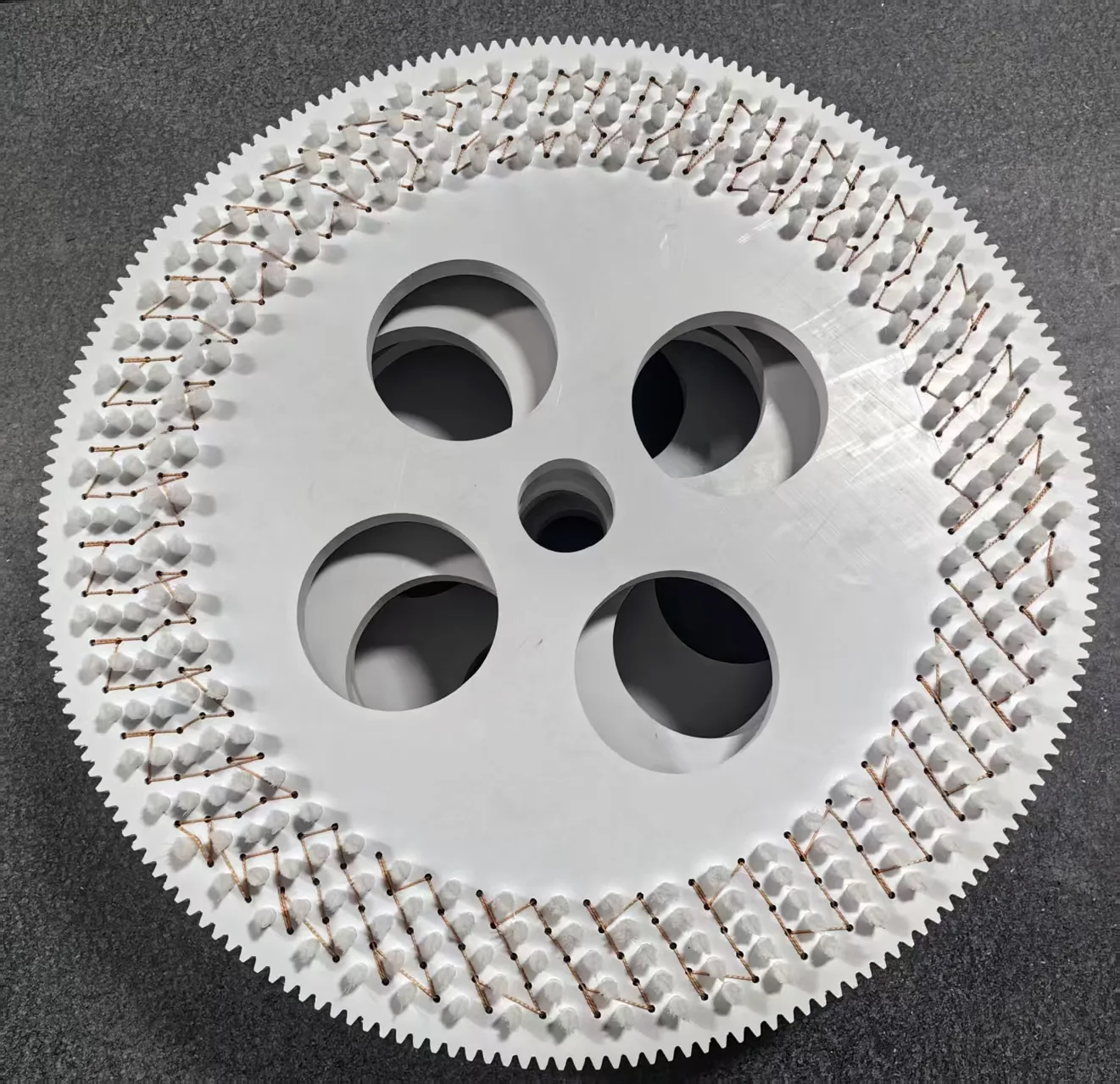
CLEANING
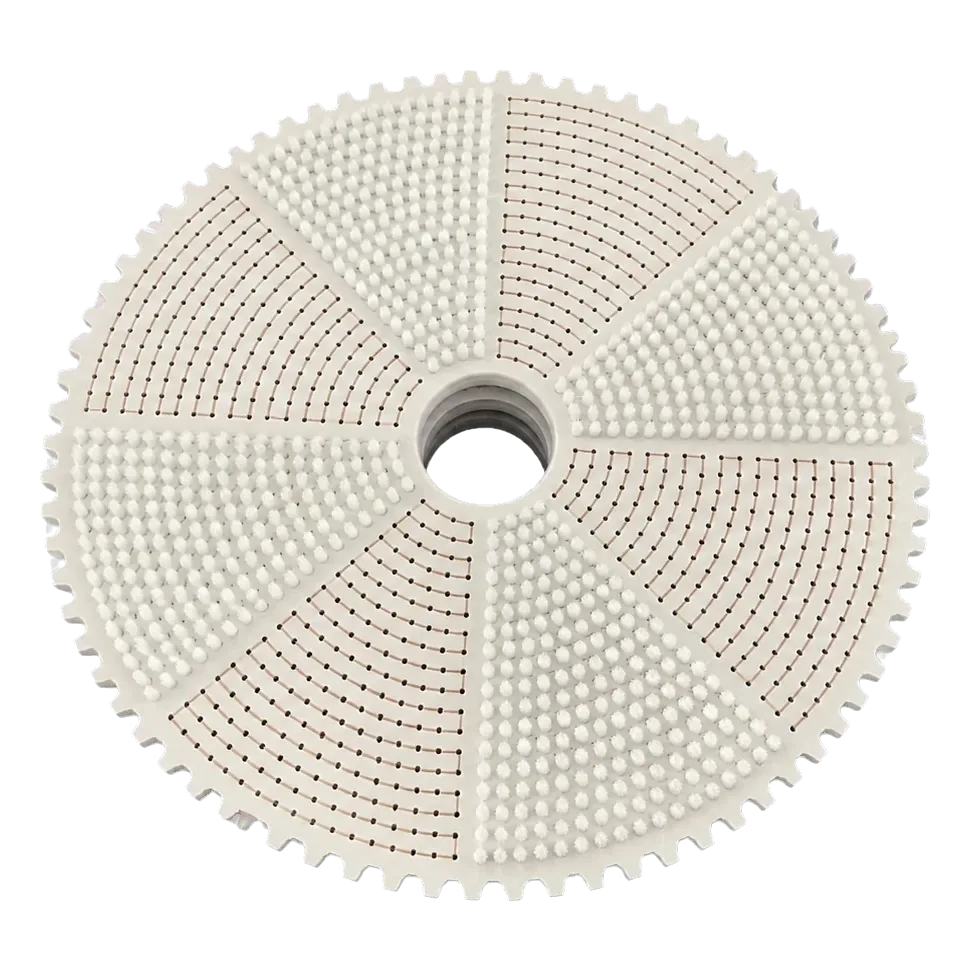
Cleaning & Brush Discs
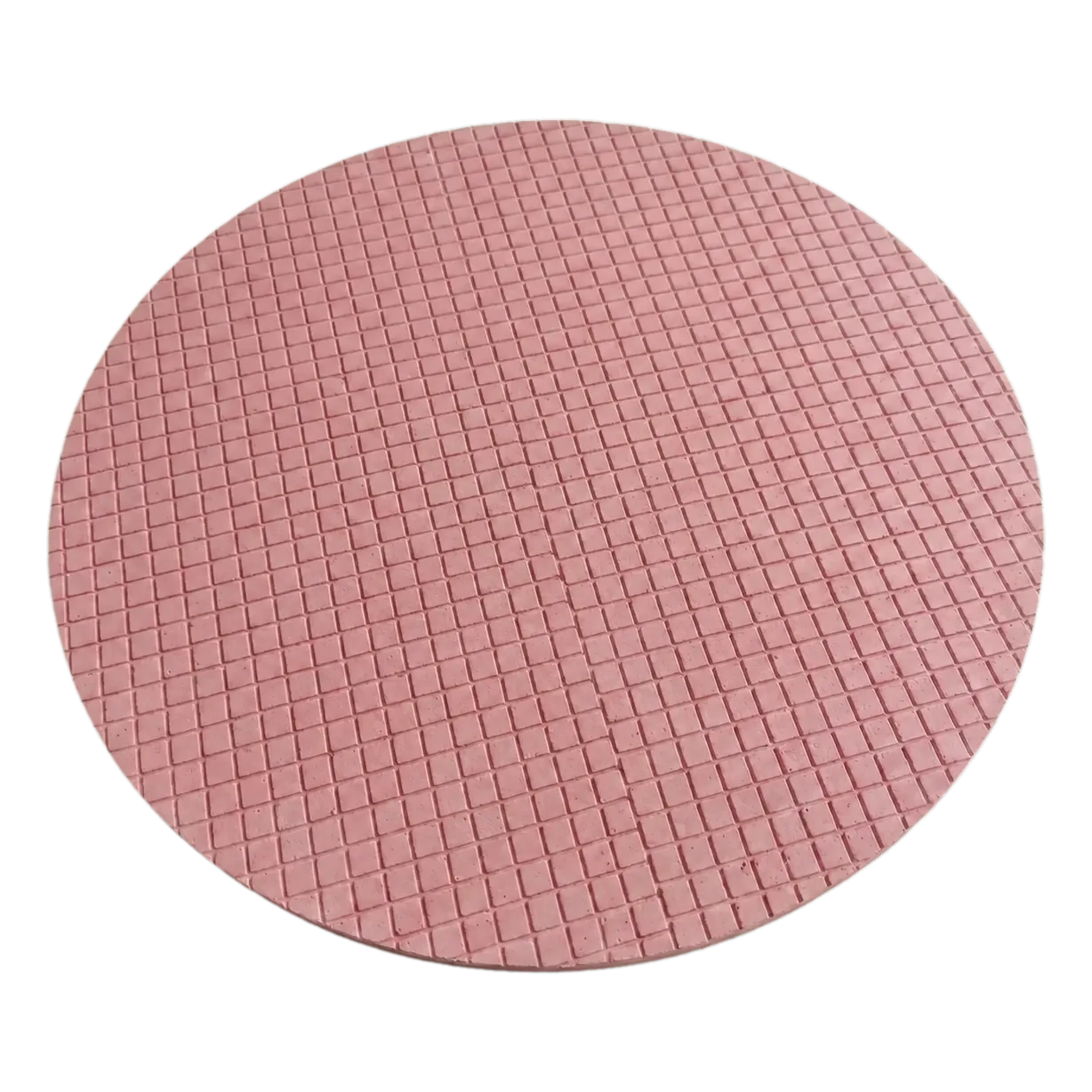
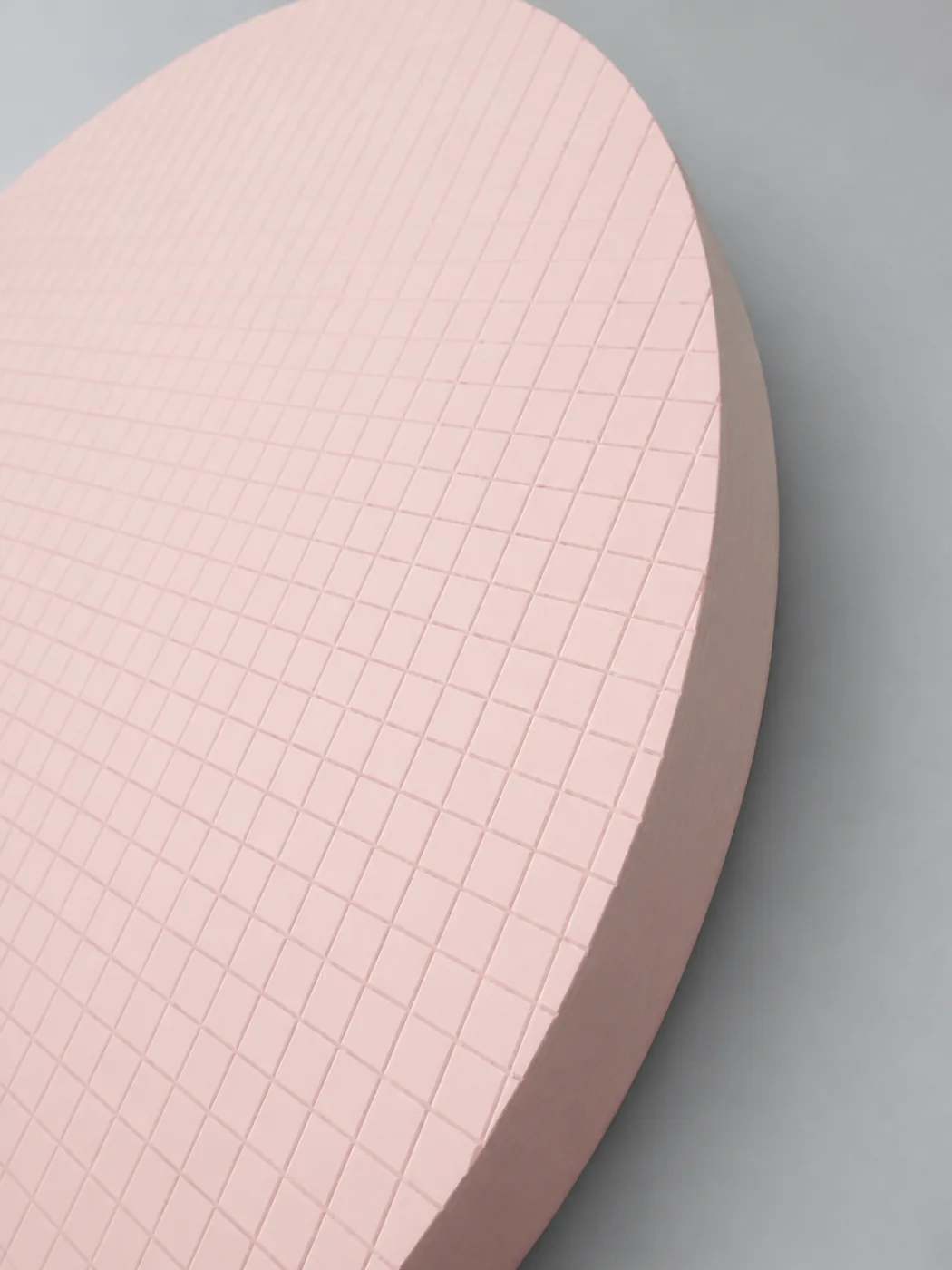
CONTACT MATERIALS
PU Polishing Pads

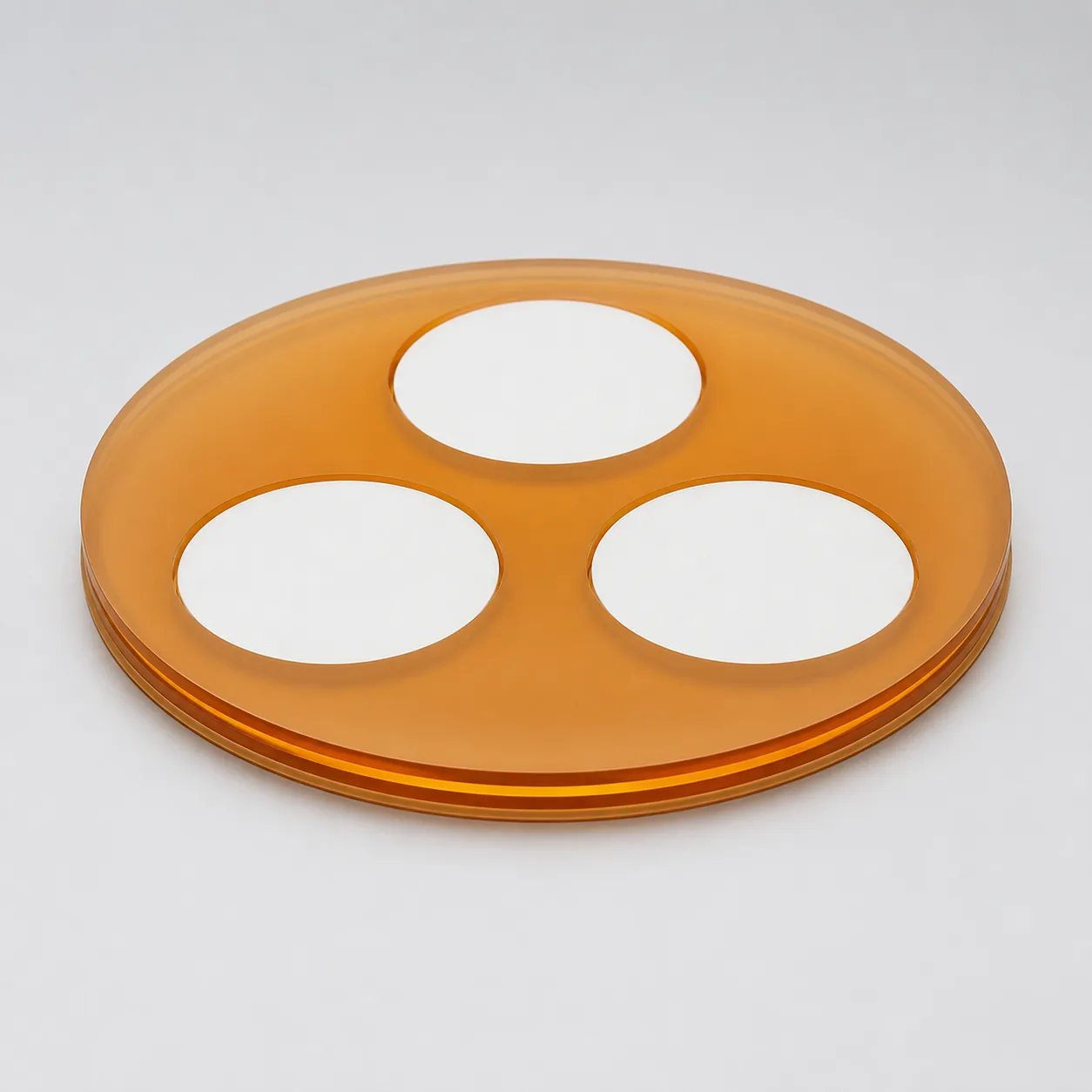
WAXLESS HOLDING
Adsorption & Holding Pads
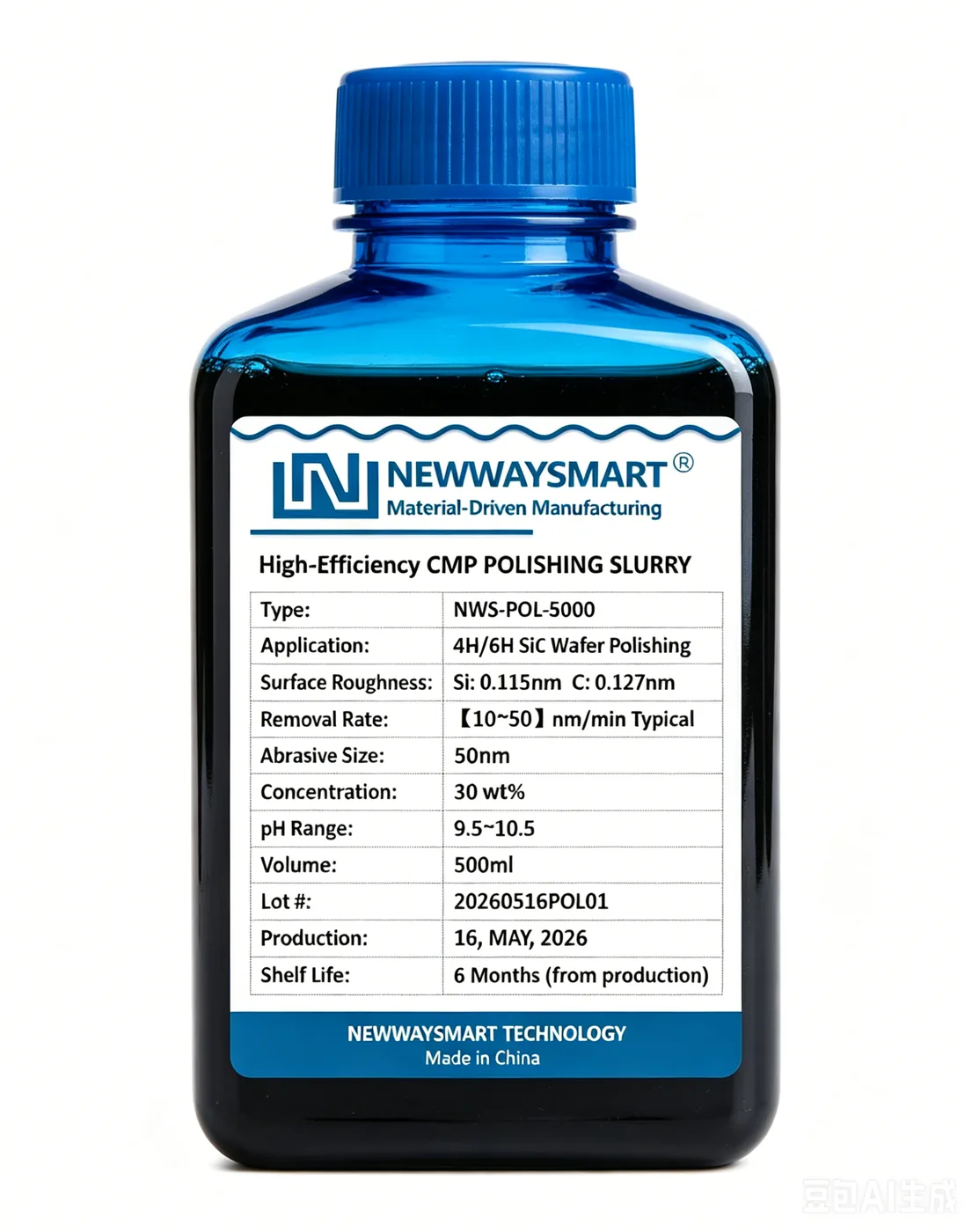
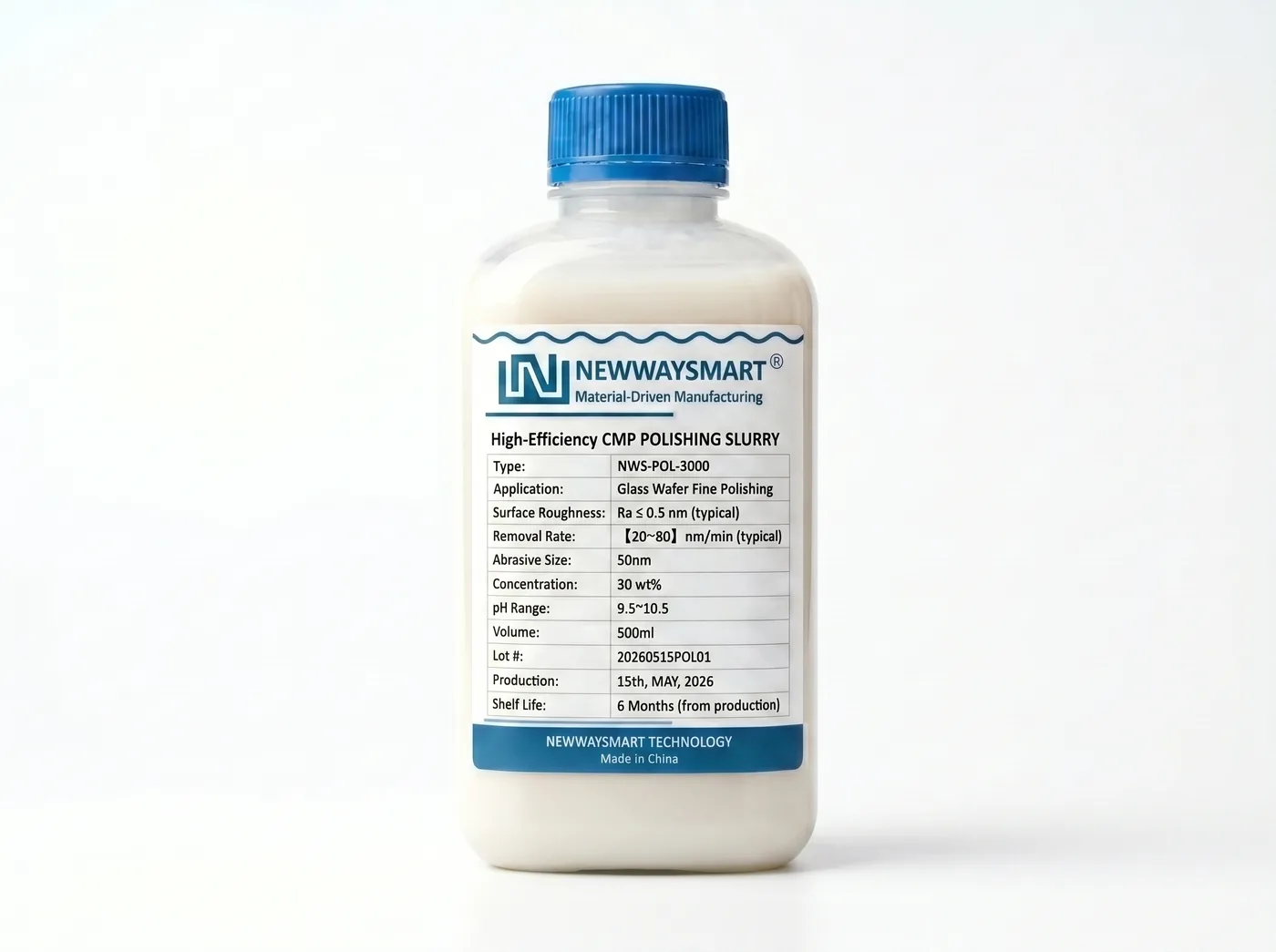
PROCESS CHEMISTRY
Slurries, Compounds & Abrasives
Feasibility, tolerances and process results are confirmed against the drawing, machine condition, workpiece, chemistry, inspection method and agreed trial plan.
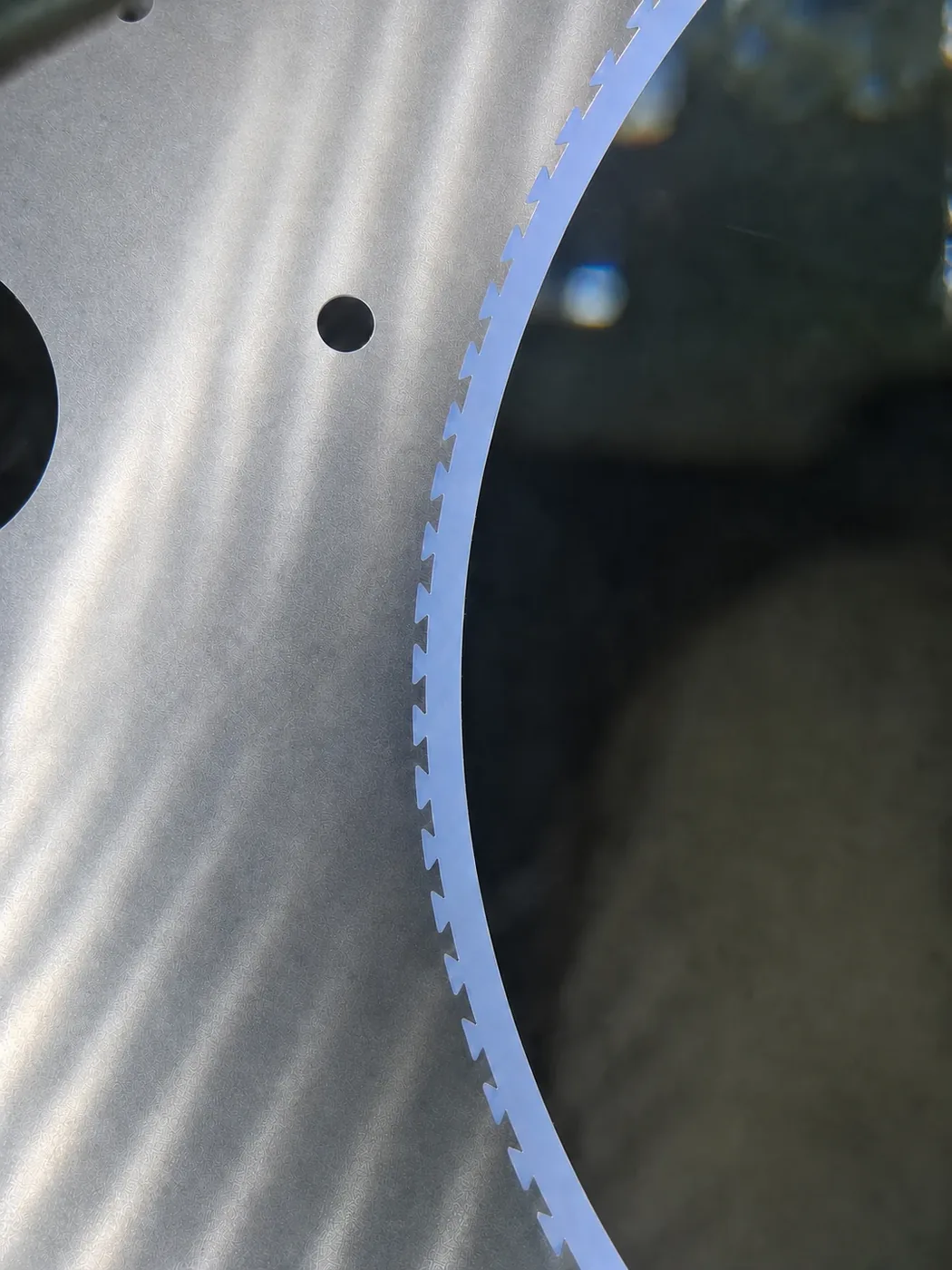
POLYMER INSERTworkpiece contact
02 / COMPOSITE CARRIER ENGINEERING
Strength at the drive. A considered interface at the pocket.
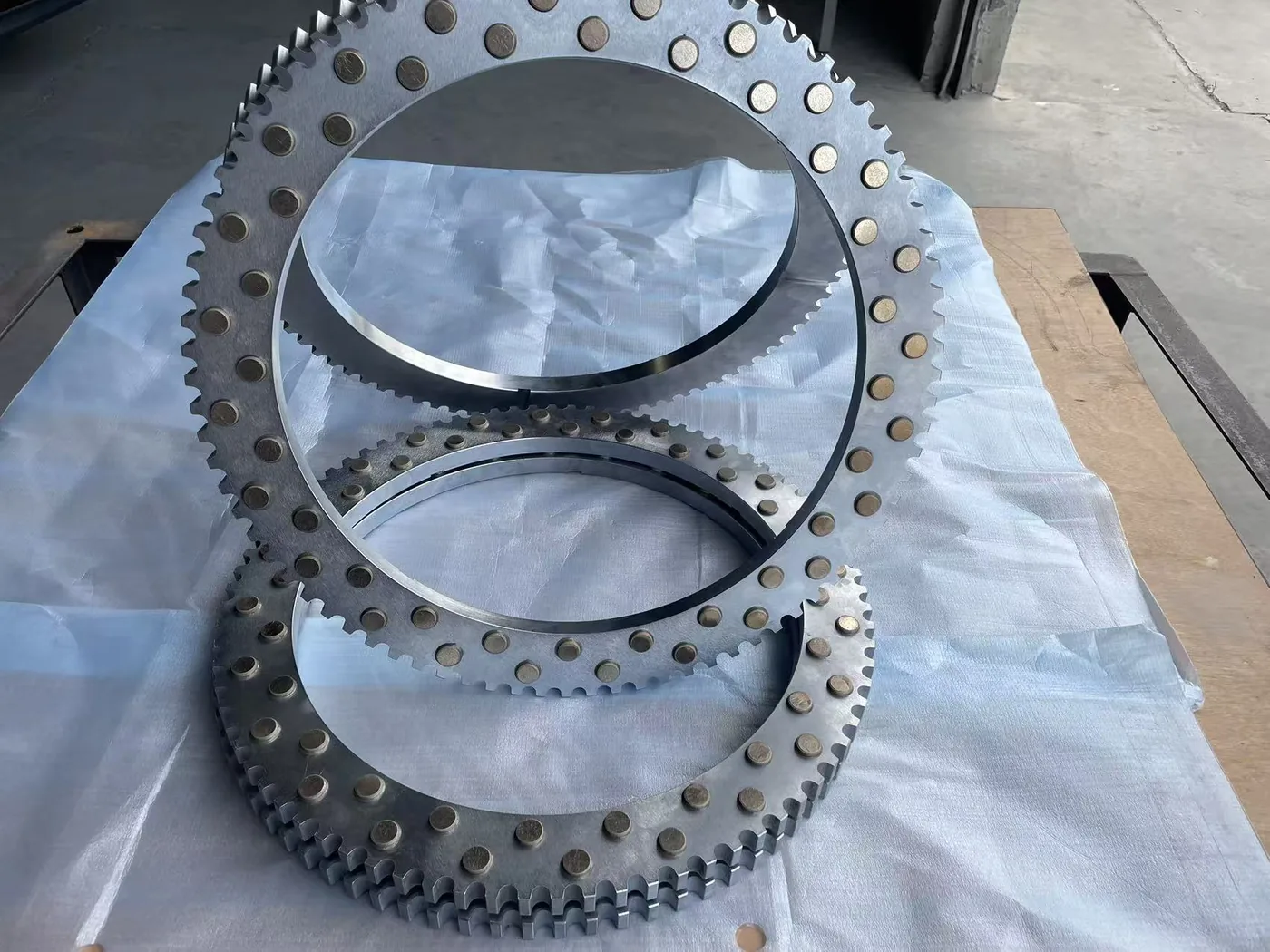
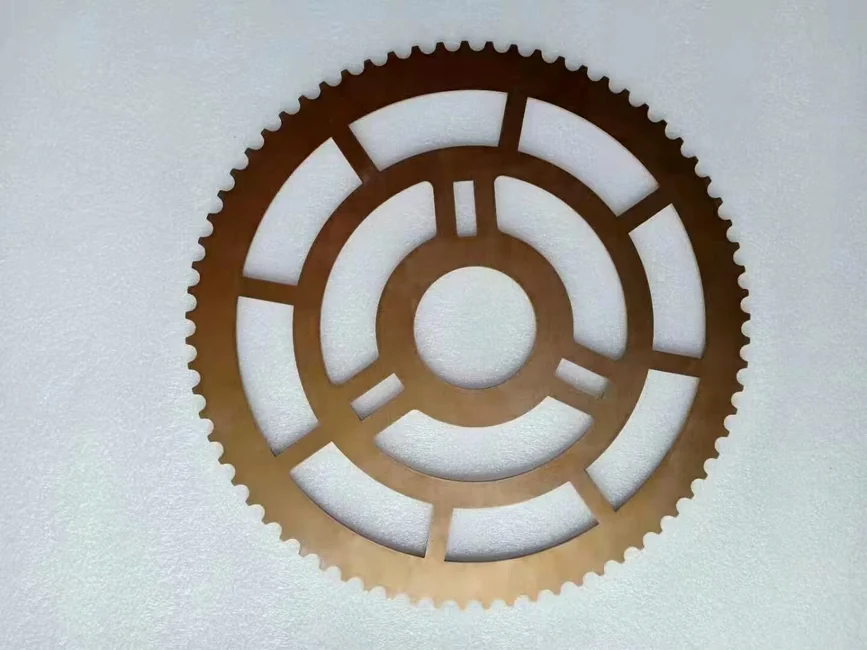
The metal body carries the machine interface. The insert direction is evaluated at the workpiece contact zone. This separation allows mechanical and contact requirements to be reviewed together.
Precision metal backbone
Supports tooth engagement, flat geometry and repeated mechanical loading.
Engineered insert direction
Reviewed around contact marking, chipping risk, chemistry and wear.
Controlled interface geometry
Retention and pocket profile matched to clearance and operating conditions.
03 / TRUE FORM FACTOR
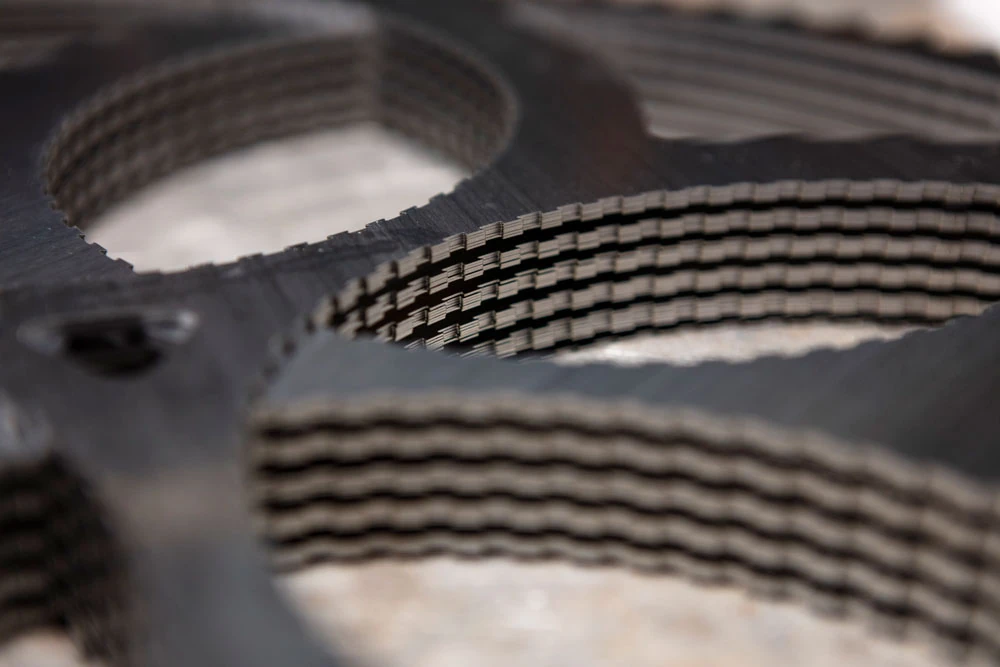
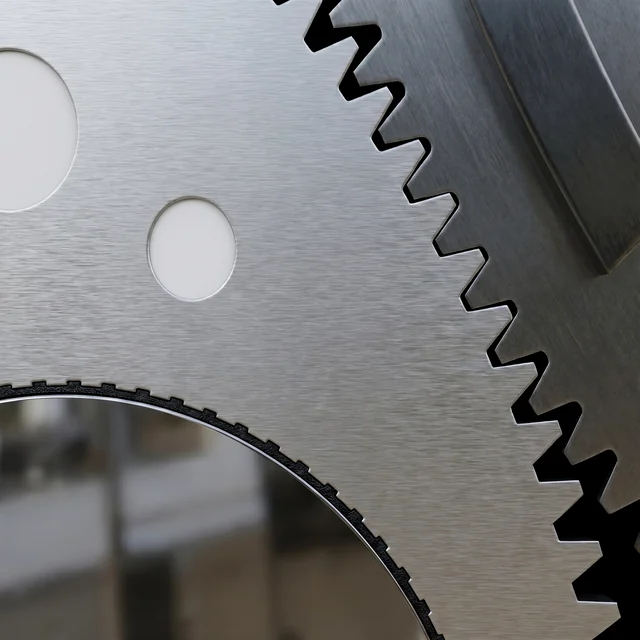
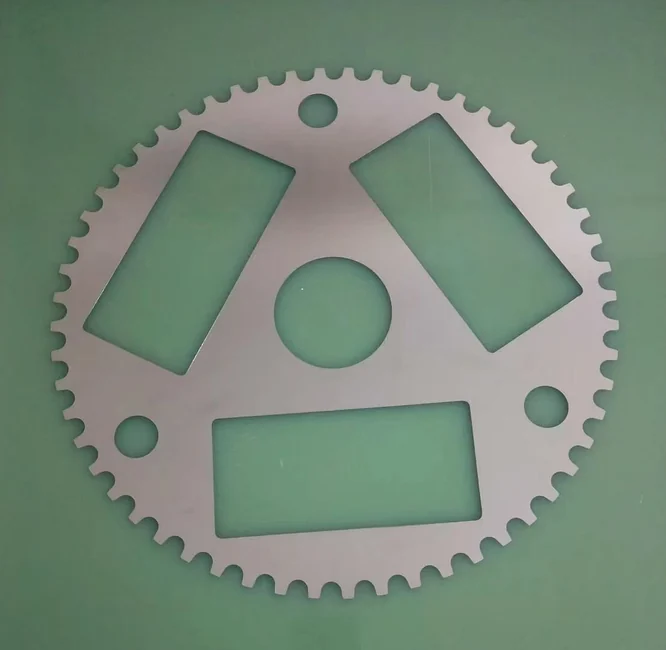
A precision sheet fixture—engineered as one complete interface.
Thickness feasibility, tooth geometry, pocket clearance, body flatness and contact material must work together with the machine and target finish. Final dimensions remain drawing- and process-specific.
04 / FULL-SPECTRUM CUSTOM ENGINEERING
From drawing and formulation to first-article evidence.
Customisation is not limited to outline and thickness. We connect material formulation, surface behaviour, equipment fit, workpiece protection, polishing chemistry and validation in one engineering record.
01
You do not need to complete every engineering detail—the first RFQ now asks only for a clear starting point ↓Drawing control
Diameter, tooth data, pockets, interfaces and assembly details developed from controlled drawings or approved samples.
02Formulation-led materials
Metal, polymer, composite, pad and abrasive systems selected at material and formulation level.
03Surface & colour
Surface finish, groove or pore structure, coating direction, colour and visual identification matched to use.
04Performance package
Wear, oil, acid, alkali, corrosion and chemical resistance defined against the actual environment.
05Thickness & precision
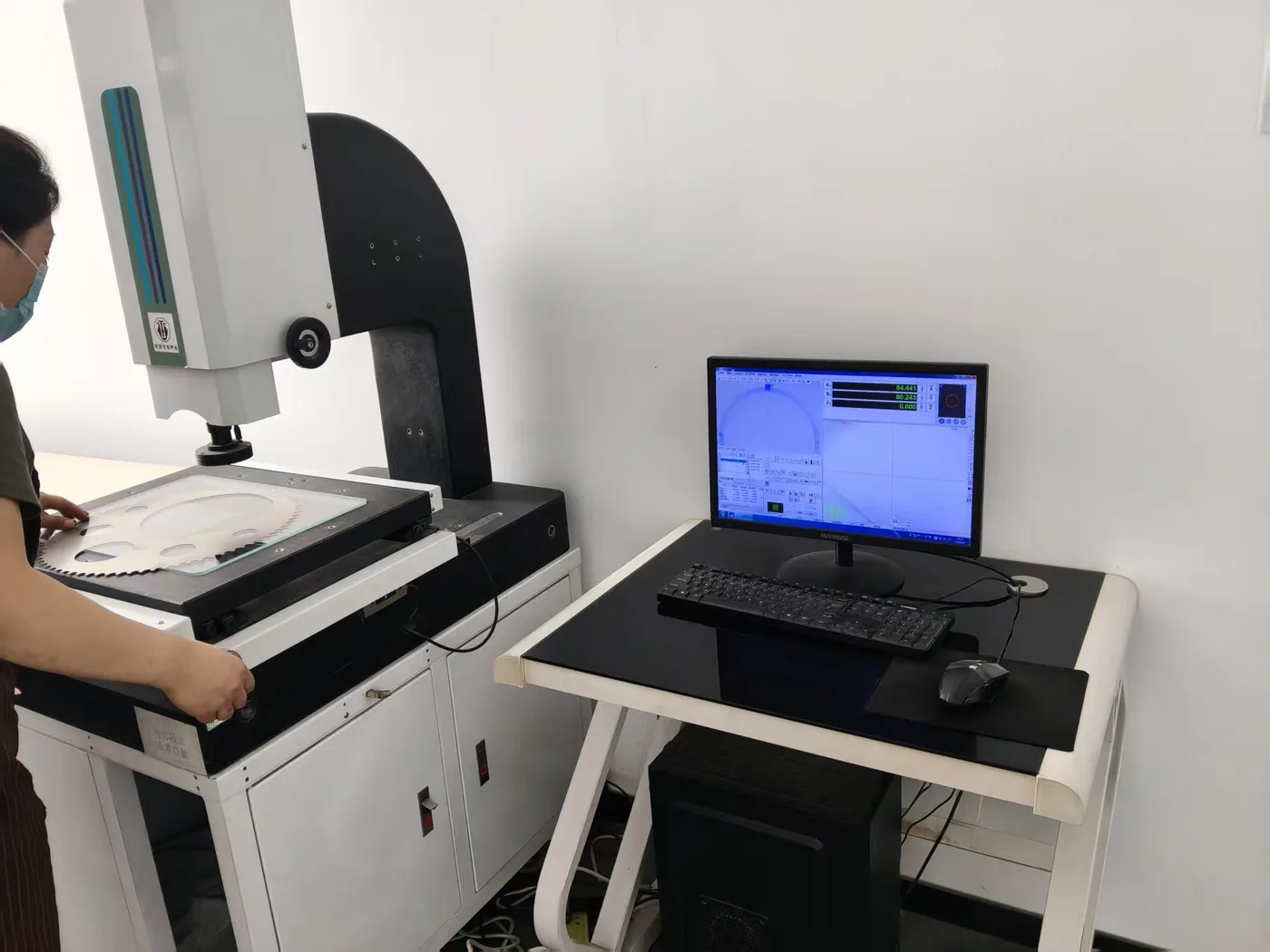
Thickness, flatness, parallelism, position and inspection method agreed before release.
06Process chemistry
Slurry, polishing fluid, compound, paste, loose powder or fixed-abrasive direction matched to delivery and removal mode.
07Equipment integration
Machine interface, plate size, gearing, pressure, motion, liquid delivery and conditioning considered together.
08Contact protection
Pocket clearance, edge contact, holding and release behaviour reviewed around fragile or high-value workpieces.
09Cross-process validation
Multi-technology process planning, first article, trial feedback and approved repeat-supply controls remain connected.
05 / APPLICATION FAMILIES
Start with the material being finished.
Each substrate family connects carrier, pad, plate and process-chemistry decisions to a practical validation route—so the first discussion starts closer to the customer's real process.
0102030405060708
Sapphire wafers
LED · optical · precision crystal
Protected edge contact and a controlled lapping-to-polishing route for hard, brittle sapphire.Silicon wafers
Semiconductor wafers
Machine-matched carrier geometry and chemistry-aware contact for single- or double-side finishing.Silicon carbide substrates
Power semiconductor wafers
Pad, plate, diamond-abrasive and cleaning directions reviewed as one hard-material process.Aluminum nitride ceramic
Thermal and electronic substrates
Stable support and contamination-aware wet finishing for thin AlN ceramic parts.Blue glass
Optical filter substrates
Contact control and stable slurry transport for sensitive blue optical glass.Microcrystalline glass wafers
Precision glass substrates
Thickness, pocket clearance, edge risk and target finish reviewed together.Optical glass
Windows · filters · precision optics
Application-specific pads, compounds and tooling for planar or shaped optical surfaces.Indium phosphide
Compound-semiconductor wafers
Drawing-specific handling and protected surface contact for high-value InP substrates.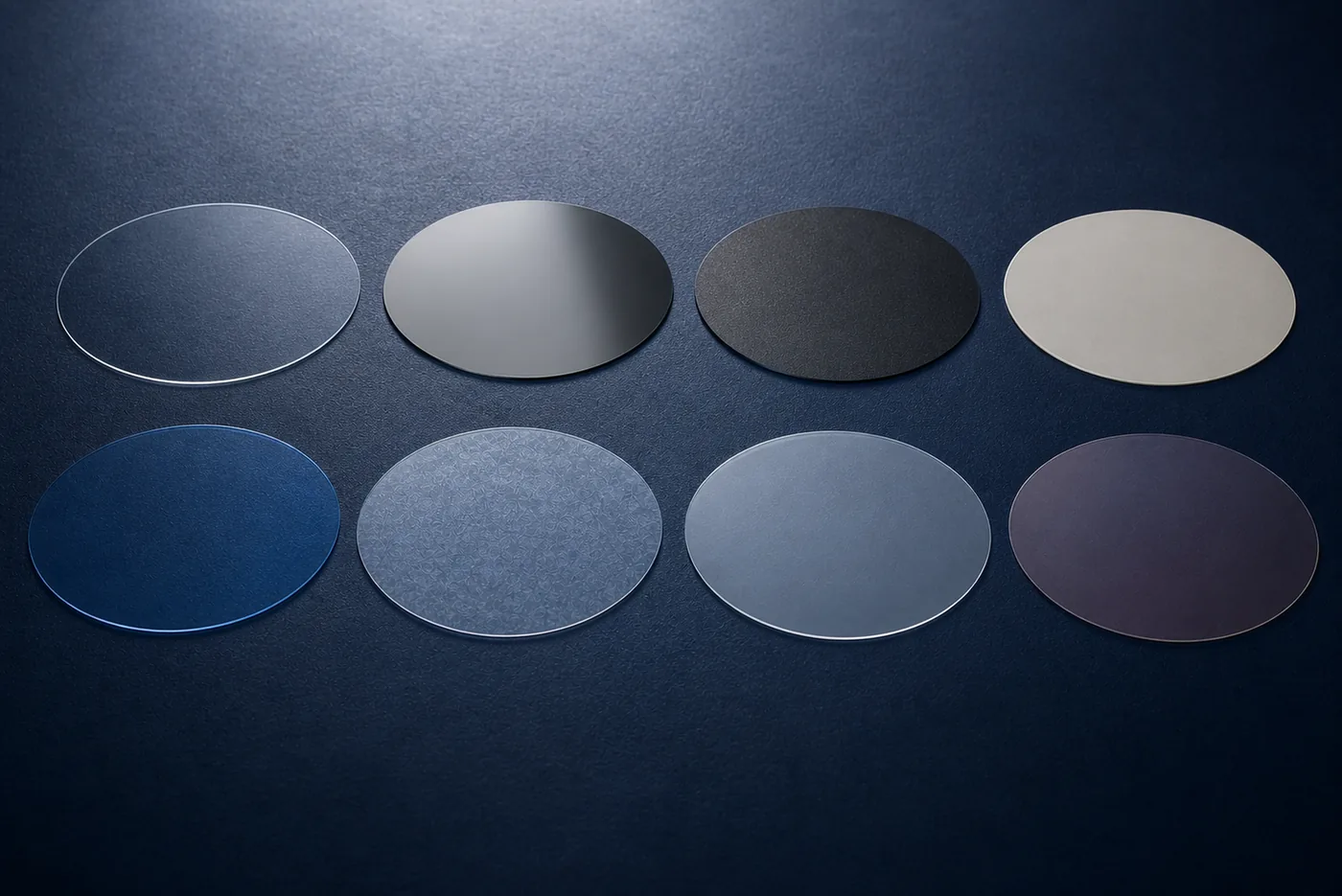
06 / MATERIAL DIRECTION
Different carrier materials solve different process constraints.
Material selection starts with the drawing and operating environment, then connects drive strength, contact protection, chemistry, wear and inspection into one practical development route.


Blue steel · SUS304 · 17-PH
Thin drive strength, tooth engagement, wet-process compatibility and dimensional control are reviewed against the customer drawing and machine duty.
PVC · PC · MC · PA · POM · PI · PEEK · PPS · PU
Engineering plastics are screened around contact behaviour, stiffness, moisture, chemistry, wear and practical machining requirements.
Laminated · economical · adaptable
Epoxy and FR4 directions balance cost, sheet rigidity, surface response and chemical resistance for the actual workpiece and process.
Metal drive · engineered contact
Stainless or blue-steel bodies can be reviewed with PEEK, PPS, PEI, PI, POM, PA, PM1–PM19 and PU/CPU contact directions.
Material formulation, slurry compatibility, machining and combination routes are reviewed as one programme. Cross-industry experience expands the available development paths; final feasibility remains drawing-, process- and validation-specific.
07 / FROM REQUIREMENT TO REPEAT SUPPLY
Clear handoff, controlled engineering.
Commercial review, cross-process definition and physical validation stay connected so an approved revision can progress toward repeat delivery without losing the original requirement.
Define
Machine, workpiece, finished thickness, wet process and current failure mode.
Engineer
Outer teeth, pocket geometry, clearance, body material and contact interface.
Validate
Drawing, sample or trial lot converted into measurable process feedback.
Repeat
Approved revision, defined inspection points, pre-shipment verification, protective-packaging checks and traceable repeat supply.
08 / CUSTOMERS SAY
Good supply makes the next decision easier.
Customers value timely response, useful reports and samples, and dependable support from the first enquiry through delivery. We bring the same commitment to lapping and polishing supply.
Swipe or use the arrows · pauses on hover
POLISHING KNOWLEDGE
Practical knowledge for better consumable and process decisions.
 Carrier fundamentalsWhat the carrier does in a double-side process →
 Material selectionComposite, steel or polymer: choosing a direction →
 RFQ guideWhat helps engineering start a focused review →
 System matchingWhy carriers, pads, plates and chemistry must be reviewed together →
WHAT WE KEEP LEARNING
A good trial should make the next decision easier.
We record the drawing, material choice, trial conditions and inspection result so everyone can see what changed.When a similar need returns, those records help us compare the new job with the last one. We still check the current machine and workpiece before recommending a repeat route.
09 / FREQUENTLY ASKED QUESTIONS
Questions that should be answered before a trial.
Clear scope, evidence and acceptance criteria turn a custom request into a controlled engineering programme.
01What information is needed for a first review?+
Machine model and plate size, inner/outer gear data, carrier dimensions and tooth data, workpiece material and geometry, current pad/slurry, and the failure mode you want to solve.
02Can NewwaySmart copy an existing carrier?+
A controlled drawing, approved sample measurement or trial part can be used to create a review baseline. Final release still requires agreed tolerances, inspection points and application validation.
03How is carrier material selected?+
The decision starts with drive strength, wet chemistry, wear, contact protection, thickness and pocket geometry. No single polymer or metal is best for every process.
04What products sit alongside your carriers?+
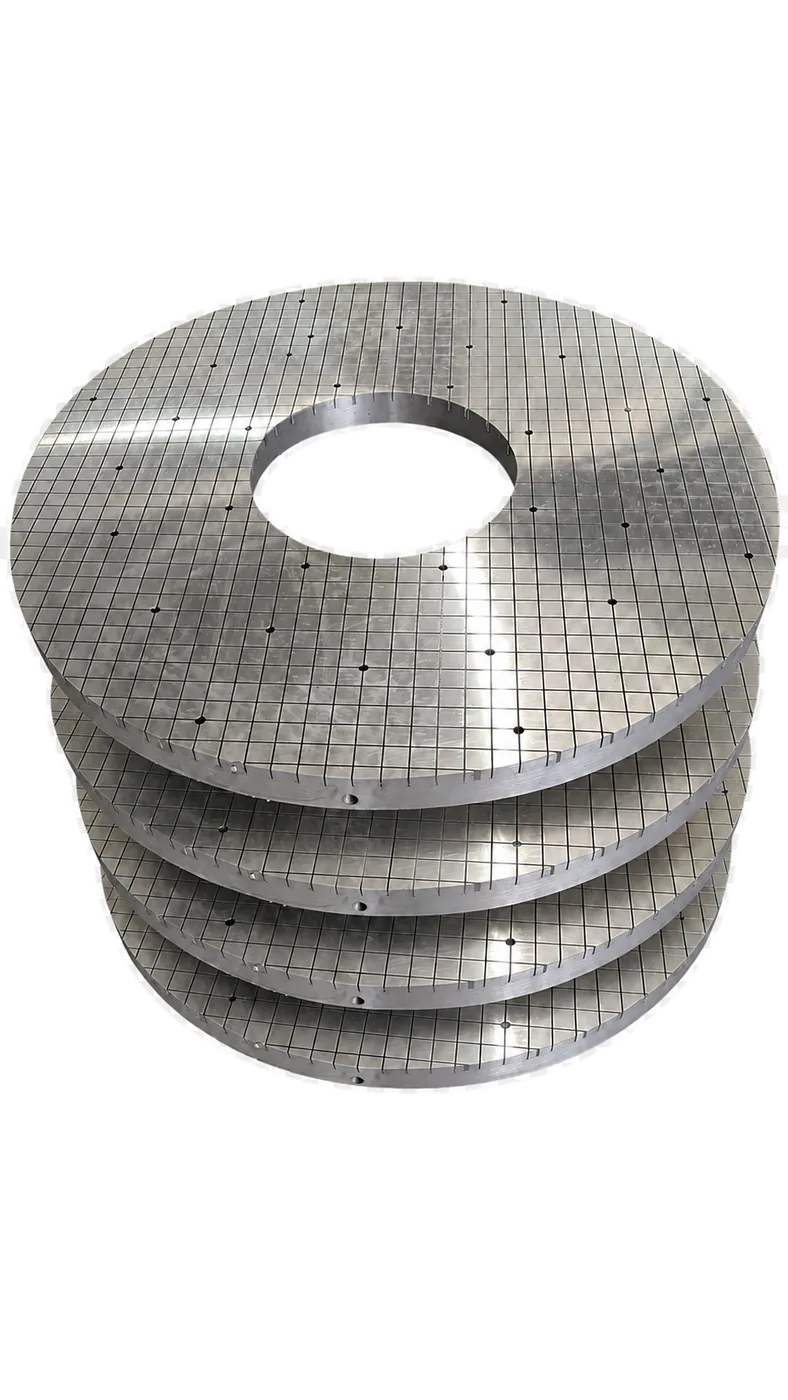
Alongside the carriers we manufacture, the range includes lapping and polishing plates, conditioning rings, cleaning discs, polishing and holding pads, and application-specific slurry options.
05Do you support single-side, double-side and shaped-surface work?+
Yes, with a clear scope distinction. Carrier and plate tooling is centred on planar single- and double-side systems. Polishing media, compounds, pads and application tooling for shaped optical or precision surfaces can also be reviewed against the actual equipment and contact geometry.
06Can you guarantee ±0.002 mm polishing accuracy?+
Not as a universal website promise. Achievable results depend on machine condition, plate flatness, workpiece, consumables and the inspection method. A target becomes contractual only after a defined trial and acceptance plan.
07Which markets do you support?+
NewwaySmart supports application-led enquiries worldwide, including semiconductor substrates, optical and specialty glass, technical ceramics and other precision-surface programmes.
MISSION
Turn critical-surface requirements into matched polishing consumables.
Application understanding → consumable matching → validation → repeat deliveryWORKING PRINCIPLE
Make every recommendation traceable to the machine, workpiece and process.
Responsive review from initial definition to stable production support10 / A FASTER FIRST RFQ
Tell us what you need to make, finish or improve.
A drawing or sample is the fastest starting point. If neither is ready, select the relevant product family and briefly describe the material, size, process and result you need. Engineering will ask only for the details that matter to that product.
 Original finish
304 stainless smooth finish