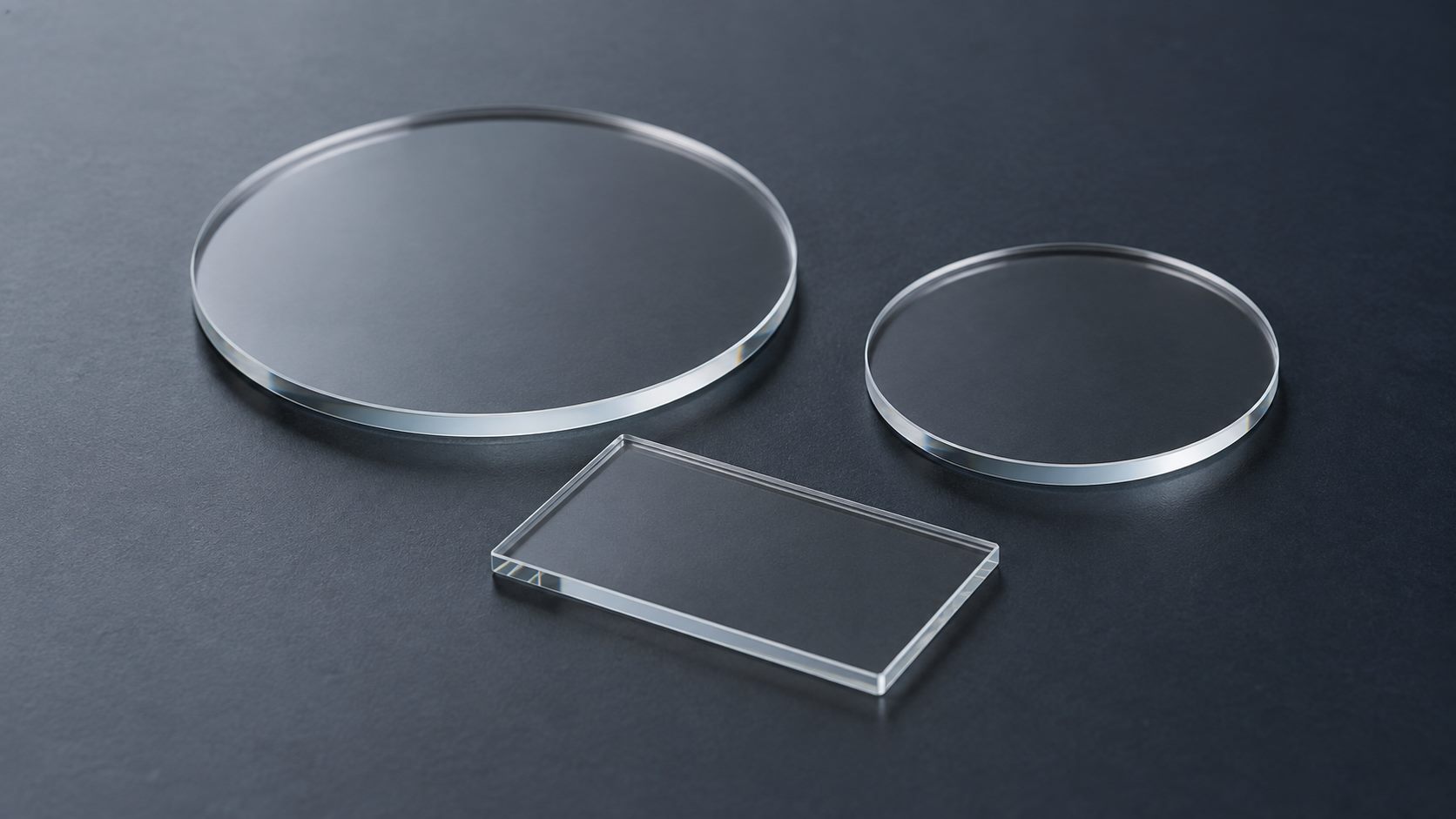
Optical Glass

Optical Glass Finishing

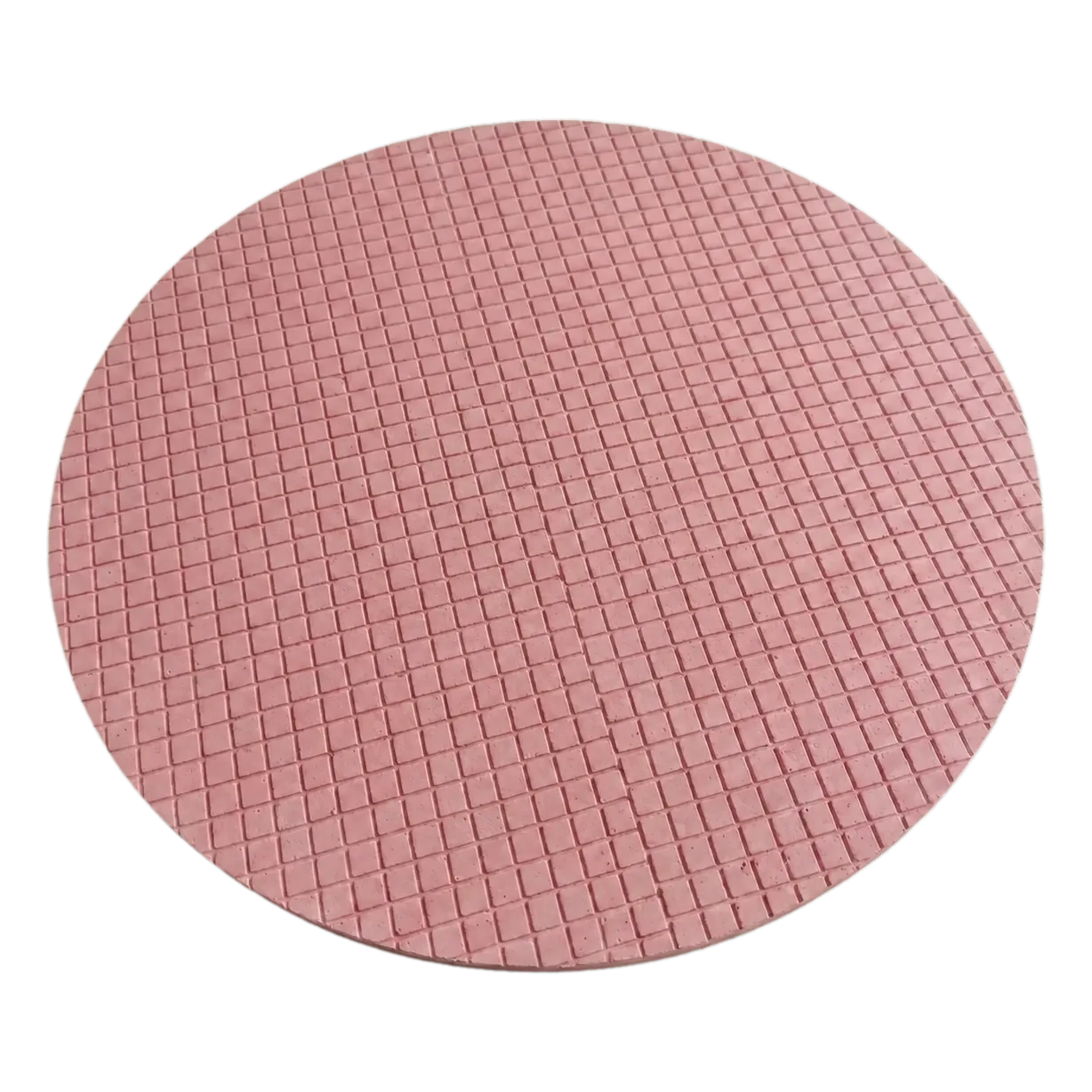
Application-specific pads, compounds and tooling for planar or shaped optical surfaces.
Optical Glass Finishing

PROCESS PRIORITIES

Protect the result before selecting the consumable.

  • Scratch and figure control
  • Contact matched to geometry
  • Clean optical surface

ENGINEERING ROUTE

A connected path from definition to validation.

  1. Glass and geometry definition
  2. Holding and tool selection
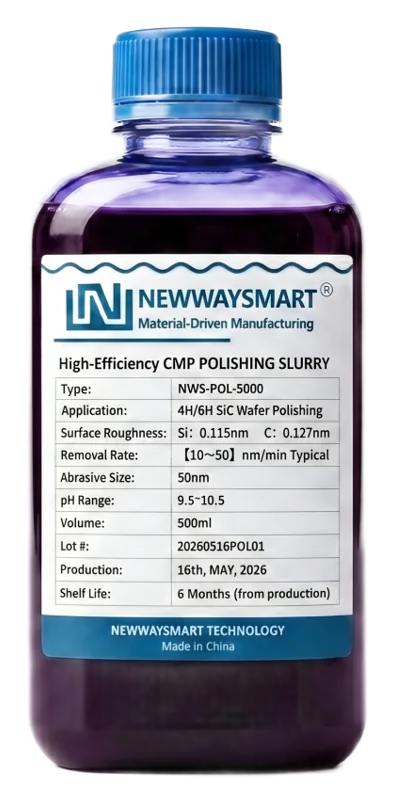
  3. Compound and pad matching
  4. Optical inspection and repeatability

FIRST REVIEW INPUTS

Useful information for a focused response.

  • Glass type
  • Planar or shaped geometry
  • Machine and tooling
  • Surface, figure and cosmetic criteria

APPLICATION MATCHING

Four evidence groups keep the recommendation grounded.

01

Incoming state

Material grade, dimensions, orientation, existing damage and current process evidence
02

Machine system

Single- or double-side layout, plate size, motion, pressure, liquid delivery and existing tooling
03

Contact system

Carrier pocket, holding method, pad or plate, edge protection and release behaviour
04

Target result

Removal, thickness, TTV, flatness, finish, contamination, yield and inspection method

PROCESS DEVELOPMENT

Connect material removal, surface protection and production control.

The selected carrier, pad or plate and chemistry must be reviewed as one working interface. Trial data then defines the acceptance and repeat-supply baseline.
Removal route
Stock removal, abrasive family, delivery method and transition from lapping to polishing
Surface protection
Scratch, edge chipping, contact marks, stains, subsurface damage and controlled release
Chemistry
pH, abrasive type and size, compatibility, filtration, cleaning and contamination control
Repeatability
Inspection points, consumable life, lot traceability, approved change and replenishment planning

APPLICATION REVIEW FAQ

Keep the first technical discussion focused.

Can a route be reviewed from a failed trial?+

Yes. Current defects, wear, removal data, used consumables and inspection evidence often make the constraints clearer than a blank specification.

Are material and slurry considered together?+

Yes. Contact material, carrier or plate structure, abrasive, pH, liquid transport and cleaning are reviewed as one process interface.

When is a recommendation final?+

Only after the drawing or selected specification, first-article measurement and application validation have been agreed. Public examples are guidance, not a universal guarantee.

APPLICATION REVIEW

Share the substrate, machine, current route and target result.

Prepare the first review →