Al₂O₃ · ZrO₂ · SiC

Technical Ceramic Component Finishing

A material-specific route for hard, brittle ceramic parts that connects stock removal, edge control, plate condition and final inspection.
Al₂O₃ · ZrO₂ · SiCMaterial-led process review

PROCESS PRIORITIES

Protect the result before selecting the consumable.

  • Efficient controlled removal
  • Edge and subsurface-damage control
  • Stable plate and abrasive condition

ENGINEERING ROUTE

A connected path from definition to validation.

  1. Material and geometry definition
  2. Fixed- or free-abrasive screening
  3. Carrier and cleaning review
  4. Measured trial and transition plan

FIRST REVIEW INPUTS

Useful information for a focused response.

  • Ceramic grade and hardness
  • Part geometry and incoming condition
  • Machine, plate and abrasive
  • Removal, flatness and finish targets

APPLICATION MATCHING

Four evidence groups keep the recommendation grounded.

01

Incoming state

Material grade, dimensions, orientation, existing damage and current process evidence
02

Machine system

Single- or double-side layout, plate size, motion, pressure, liquid delivery and existing tooling
03

Contact system

Carrier pocket, holding method, pad or plate, edge protection and release behaviour
04

Target result

Removal, thickness, TTV, flatness, finish, contamination, yield and inspection method

PROCESS DEVELOPMENT

Connect material removal, surface protection and production control.

The selected carrier, pad or plate and chemistry must be reviewed as one working interface. Trial data then defines the acceptance and repeat-supply baseline.
Removal route
Stock removal, abrasive family, delivery method and transition from lapping to polishing
Surface protection
Scratch, edge chipping, contact marks, stains, subsurface damage and controlled release
Chemistry
pH, abrasive type and size, compatibility, filtration, cleaning and contamination control
Repeatability
Inspection points, consumable life, lot traceability, approved change and replenishment planning

FOCUSED PRODUCT TYPES

Move from the application into a specific product review.

These links narrow the buyer journey without pretending that one construction fits every process.
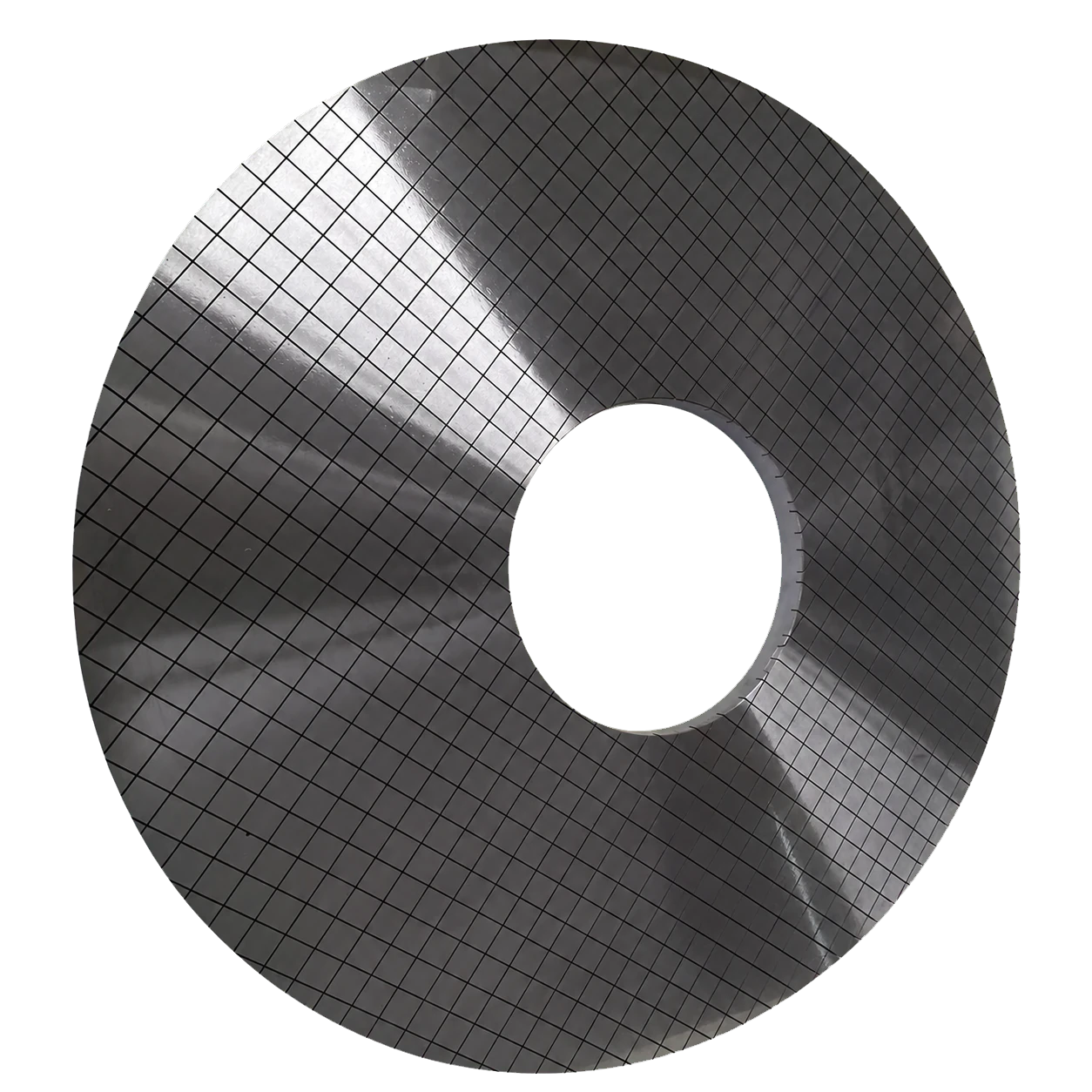
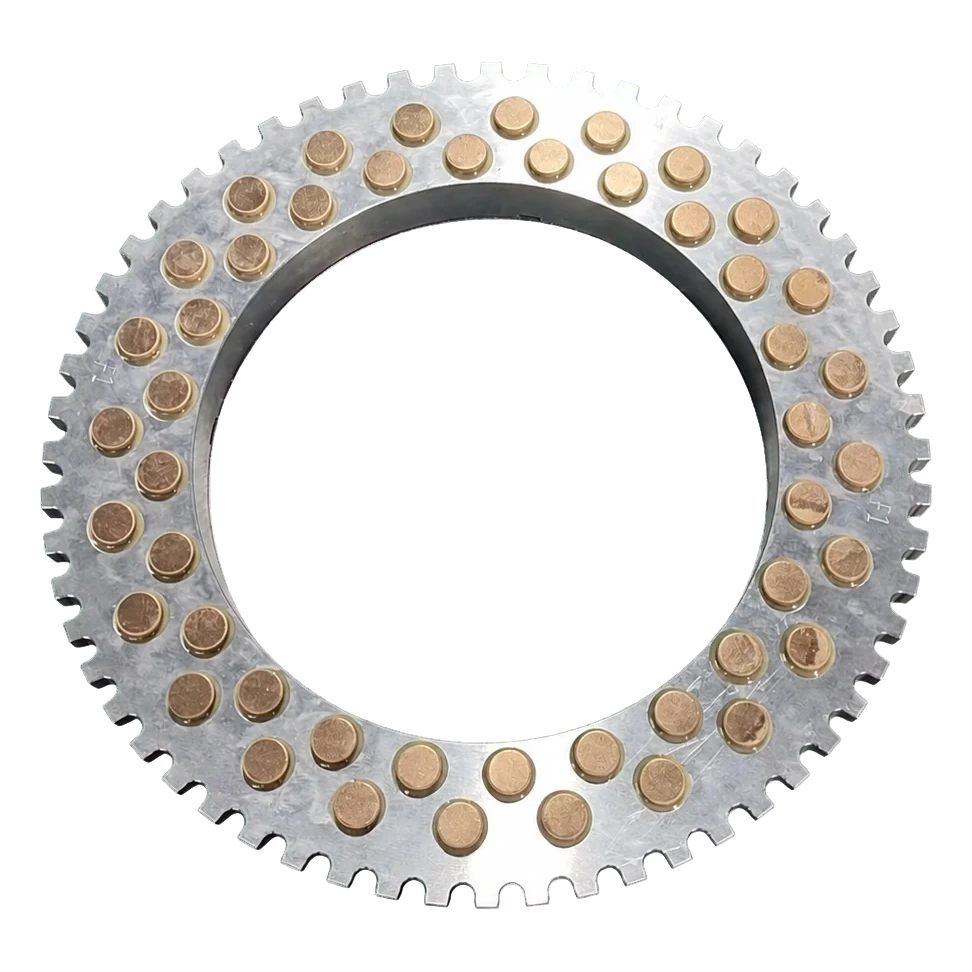
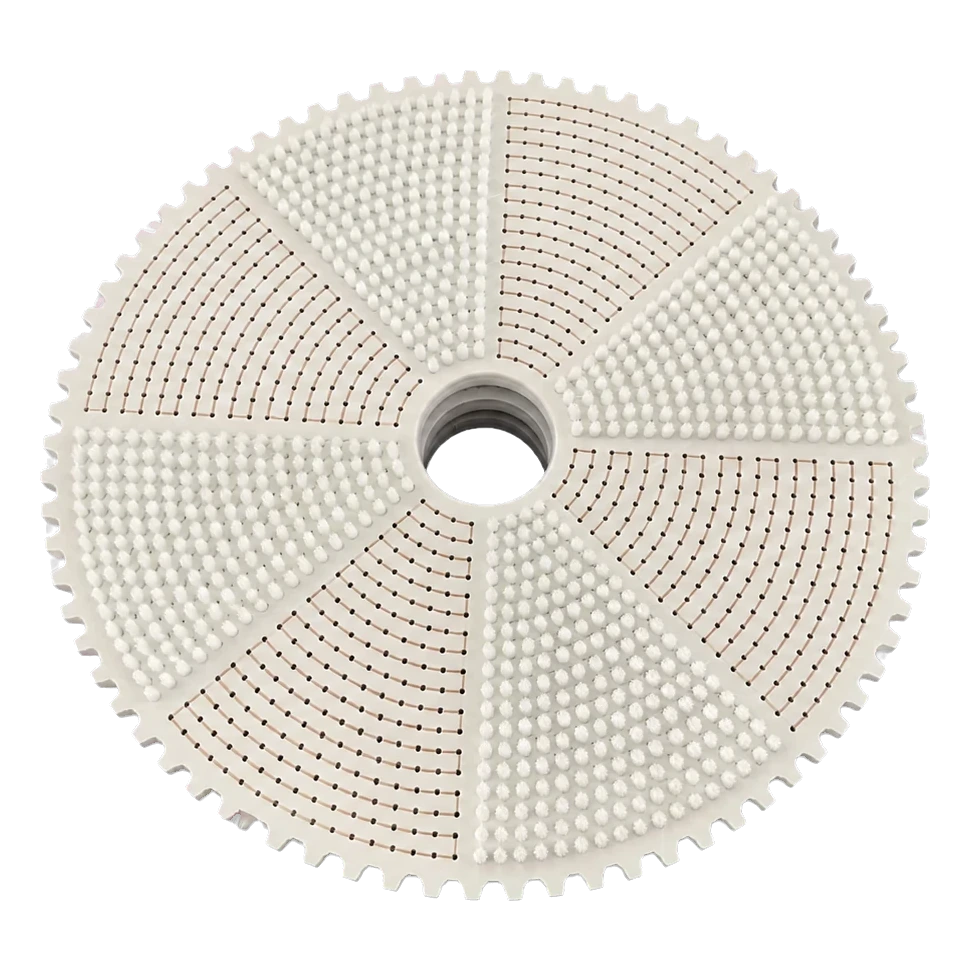
NWS-LGP-2101NWS-LGP-2101 Ductile-Iron Lapping PlatesDuctile-Iron Lapping Plates for wafers, ceramics and precision parts. Lapping. Material grade: QT600 ductile iron; Dimensions: Diameter, thickness, mounting and grooves to drawing. Custom-made for the agreed process.Review this product →NWS-LGP-2102NWS-LGP-2102 Grey-Iron Lapping PlatesGrey-Iron Lapping Plates for wafers, glass and precision parts. Lapping. Material grade: HT250 grey iron; Dimensions: Diameter, thickness, mounting and grooves to drawing. Custom-made for the agreed process.Review this product →NWS-PAD-2102NWS-PAD-2102 Hard Pads for Sapphire and CeramicsHard Pads for Sapphire and Ceramics for sapphire, ceramics and metal parts. Grinding / polishing. Hardness: Shore D 64–72; Density: 1.00–1.08 g/cm³. Custom-made for the agreed process.Review this product →NWS-PAD-2201NWS-PAD-2201 Nonwoven Substrate Lapping PadsNonwoven Substrate Lapping Pads for sic, sapphire, microcrystalline glass and ceramics. Coarse / intermediate polishing. Thickness options: 0.8 / 1.0 / 1.2 / 1.27 / 1.3 / 1.5 / 2.0 / 3.0 mm; Density range: 0.43–0.55 g/cm³. Custom-made for the agreed process.Review this product →NWS-PAD-2401NWS-PAD-2401 Fixed-Diamond Pads for Hard SubstratesFixed-Diamond Pads for Hard Substrates for glass, microcrystalline glass, sapphire and ceramics. Fixed-abrasive grinding. Abrasive: Fixed diamond; Seamless diameter capability: Up to 1550 mm. Custom-made for the agreed process.Review this product →NWS-POL-3401NWS-POL-3401 Polycrystalline Diamond Slurry GradesPolycrystalline Diamond Slurry Grades for sic, hard ceramics and optical materials. Lapping / polishing. Abrasive: Polycrystalline diamond; Nominal grade options: 3 / 4 / 6 µm. Custom-made for the agreed process.Review this product →Fixed abrasiveDiamond-Pellet Grinding PlatesRadial or annular diamond-pellet layouts designed around line speed, coolant access and uniform wear.Review this product →Pad correctionDiamond-Pellet Conditioning RingsSegmented diamond rings for controlled high-point correction and renewal of selected polishing contact surfaces.Review this product →Process cleaningDebris-Removal Cleaning DiscsCustom cleaning tools for glass fragments, lapping debris and process residue within a controlled wet route.Review this product →Alumina slurryAlumina Polishing SlurriesAlumina-abrasive slurry directions for selected metal, ceramic and substrate finishing steps.Review this product →

APPLICATION REVIEW FAQ

Keep the first technical discussion focused.

Can a route be reviewed from a failed trial?+

Yes. Current defects, wear, removal data, used consumables and inspection evidence often make the constraints clearer than a blank specification.

Are material and slurry considered together?+

Yes. Contact material, carrier or plate structure, abrasive, pH, liquid transport and cleaning are reviewed as one process interface.

When is a recommendation final?+

Only after the drawing or selected specification, first-article measurement and application validation have been agreed. Public examples are guidance, not a universal guarantee.

APPLICATION REVIEW

Share the substrate, machine, current route and target result.

Prepare the first review →

RELATED TECHNICAL READING

Understand the process before selecting a consumable.

Why Carrier, Plate, Pad, Conditioning and Slurry Must Be Matched as One System

WORKPIECE & PROCESS FIT

Technical ceramic lapping and polishing

Alumina, zirconia and silicon nitride substrates, precision discs and ceramic rings.
What to specify
Ceramic composition, sintering state, geometry, porosity, edge condition, flatness and target surface.
Made-to-order consumables
Carrier geometry and material, plate grooves, pad contact properties, conditioning, cleaning and polishing media are reviewed for the actual process. Drawing review and first-article support establish the repeat-order specification.